
Jet Ski Dock Comparison Guide
Picking the right jet ski dock keeps your personal watercraft reliable and ready to ride. Different dock types change how easy it is to use your PWC, how long the system lasts, and how much maintenance you’ll need, so it pays to understand the real tradeoffs before you buy.
Below we walk through the factors that affect dock performance, compare common materials, explain why floating systems often outshine traditional lifts for many owners, and show why Wave Armor boat ports are a popular choice. We also outline typical costs and installation notes for Southwest Florida.
Comparison of Top Jet Ski Dock Models in 2025
This table lines up leading floating docks for jet skis in 2025, noting construction materials, typical relative costs, and expected installation complexity. Use it to narrow choices and prepare specific questions for quotes.
| Dock Model | Material | Relative Cost | Installation Complexity |
|---|---|---|---|
| EZ Dock | Polyethylene | Lower | Low |
| Wave Armor Pro Port | Polyethylene | Moderate | Medium |
| Candock JetRoll | Modular Plastic | Lower | Low |
| Connect-A-Dock | Polyethylene | Moderate | Medium |
These options illustrate the range of materials, relative costs, and installation needs you’ll encounter in 2025. Balance budget, durability, and convenience to choose the jet ski dock that fits your shoreline and how you ride. For in-depth specs on individual models, see our PWC dock product pages.
Key Considerations When Choosing a Jet Ski Dock
Choosing the right jet ski dock is about more than price. Think about local water conditions, your PWC’s size and weight, and any local rules. A dock for a calm lake has different needs than one on a busy river with strong currents. Always make sure the dock’s capacity comfortably exceeds your PWC’s weight with fuel and gear aboard. Understanding these points up front helps you make a smarter, longer‑lasting choice. For industry guidance, the National Marine Manufacturers Association is a useful resource.
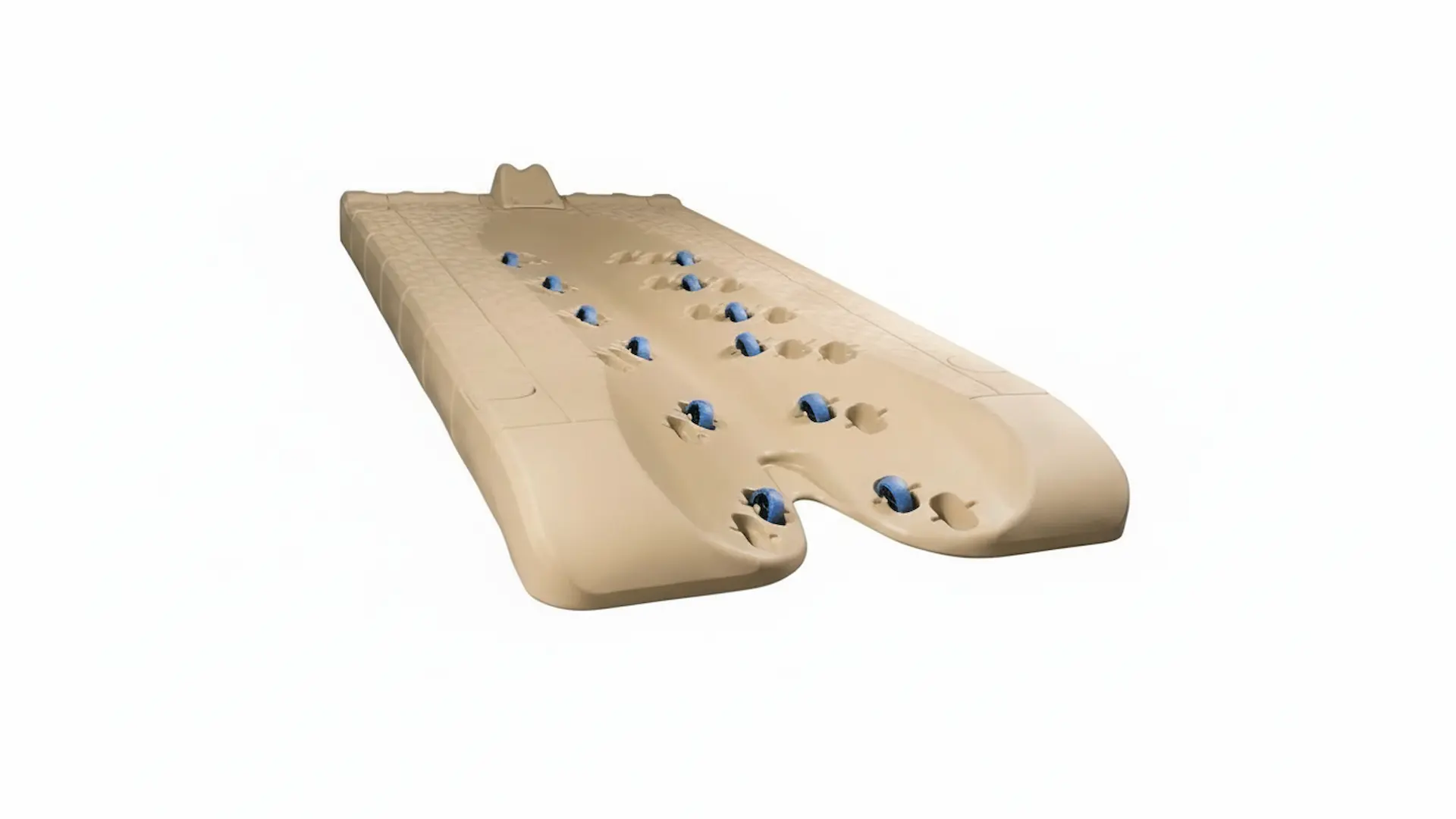
Candock Jetroll Key Features and Specifications
The following table outlines the key features and specifications of the Candock Jetroll system, designed for optimal performance and user convenience. This comparison highlights its construction, capacity, and unique attributes, making it an excellent choice for watercraft owners.
| Feature | Detail |
|---|---|
| Material | Medium-density polyethylene (MDPE) resin |
| Design | One-piece, no assembly required |
| Flotation | 100% foam-filled, virtually unsinkable |
| Capacity | Up to 2000 lbs (907 kg), including watercraft and user |
| Dimensions | Approx. 152″ L x 76″ W x 12″ H (386 cm x 193 cm x 30.5 cm) |
| Rollers | 12 adaptable urethane wheels with customizable positions |
| Compatibility | Compatible with the Candock G2 system, other floating docks, or standalone setups |
| Maintenance | Zero maintenance (no rust or rot) |
This table provides a comprehensive overview of the Candock Jetroll’s specifications, emphasizing its robust design and user-friendly features, making it an ideal choice for watercraft enthusiasts seeking a reliable docking solution.
Key Features of Connect-a-Dock for PWCs
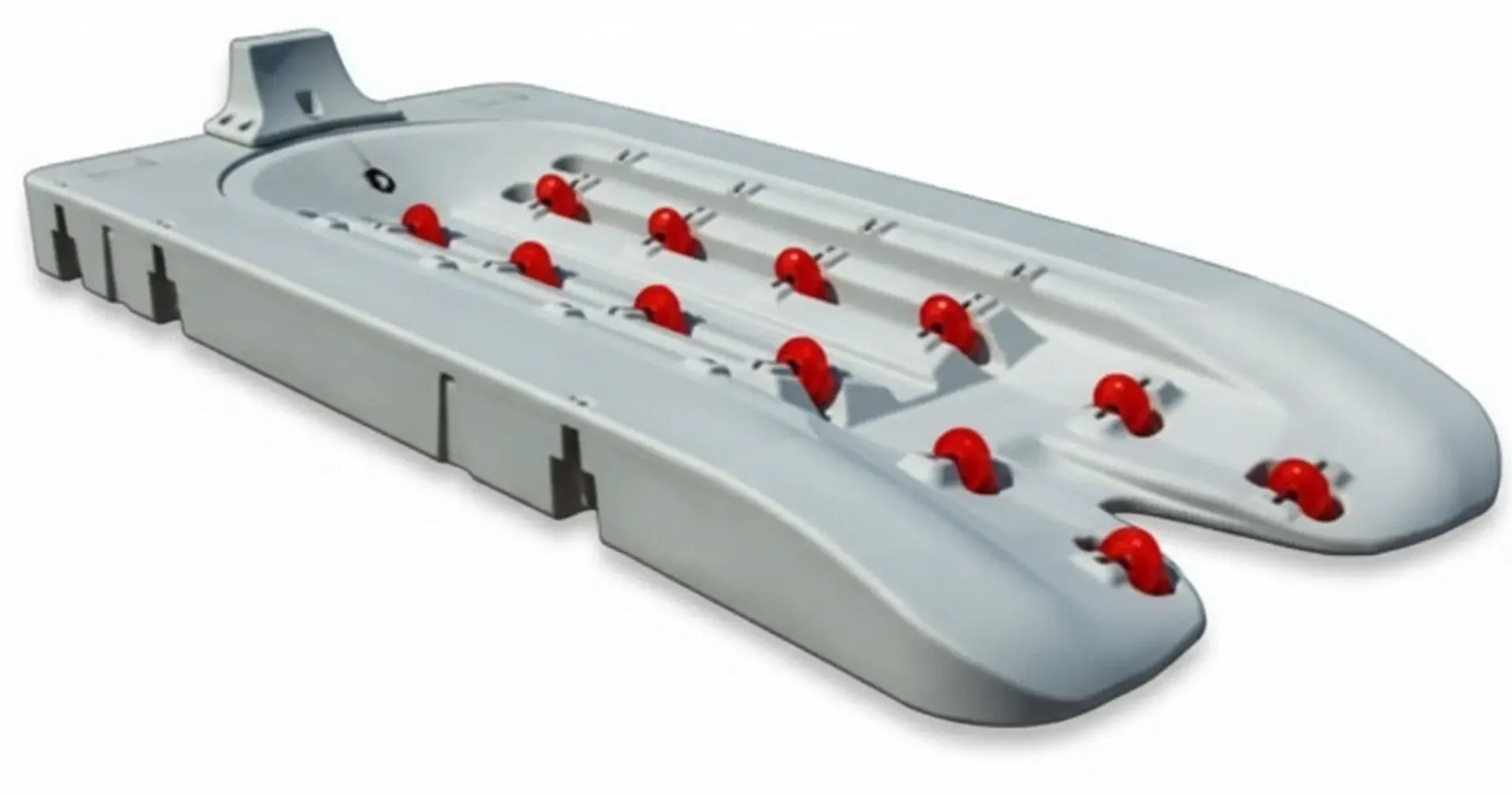
The Connect-a-Dock system offers a range of features designed to enhance the experience of personal watercraft (PWC) owners. Below is a comparison of its key attributes, showcasing its construction, capacity, and versatility.
| Feature | Description |
|---|---|
| Capacity | Supports one, two, three, or four PWCs. |
| Construction | Ultra-tough, thick, and durable polyethylene, virtually maintenance-free. |
| Loading | Features multiple rollers, including six bow rollers with a patented bow stop for easy drive-on/roll-off access. |
| Security | Includes a cable & clip system, molded-in tie-down loops, and optional winches (crank or bow stop). |
| Design | Anti-skid walk area for safety and universal hull support for various PWC models. |
| Versatility | Can be front or side-mounted and configured with or without a floating dock kit. |
| Warranty | Comes with a 5-year product warranty against manufacturer defects. |
| Color Options | Available in multiple colors (tan, light grey, dark grey). |
The Connect-a-Dock system is designed for durability and ease of use, making it an excellent choice for PWC owners looking for a reliable docking solution. Its versatile features and strong warranty provide peace of mind for long-term investment in waterfront activities.
Connect-a-Dock Key Specifications
The following table outlines the essential specifications and features of the Connect-a-Dock system for personal watercraft (PWC) owners. This comparison highlights the product’s construction, capacity, and unique attributes, making it easier to understand its benefits.
| Specification | Details |
|---|---|
| Capacity | 2000 lbs |
| Construction | Ultra-tough, thick, and durable polyethylene |
| Maintenance | Virtually maintenance-free |
| Security Features | Cable & Clip for securing PWC |
| Rollers | Two Keel Rollers and Six Bow Rollers with a Patented Bow Stop |
| Mounting Options | Front or side mounting |
| Color Options | Available in 5 colors |
| Warranty | 5-Year Warranty against manufacturer’s defects |
| Dimensions | 156″ L x 72″ W x 23″ D, 375 lbs |
This table provides a clear overview of the Connect-a-Dock’s specifications, emphasizing its robust construction and user-friendly features, making it an ideal choice for PWC owners seeking a reliable docking solution. For more on materials, see the Plastics Industry Association.
Advanced Features and Accessories for Your Jet Ski Dock
Modern jet ski dock systems offer accessories that boost convenience, safety, and lifespan. Look for integrated bumpers and rub rails to protect your PWC during docking. Secure tie‑downs keep your craft stable in changing conditions. Some docks include built‑in lighting for night use or modular layouts for easy expansion. Browse our dock accessories to customize your setup, small additions can make a big difference in daily use and long‑term durability.
What Factors Determine the Performance of Jet Ski Docks?
Durability, stability, and ease of use are the three core drivers of jet ski dock performance. Together they determine how well a dock handles weather, currents, and regular wear, and how easy it is for you to get on the water.
Although this guide centers on jet ski docks, the same performance considerations apply to docks for small boats and runabouts. The right choice depends on craft type, site conditions, and how you use the watercraft. We also offer specialized kayak storage solutions, including kayak lifts for docks in Cape Coral, for smaller craft.
How Do Durability and Lifespan Affect Jet Ski Dock Performance?
Durability and lifespan drive long‑term value. Materials like polyethylene and aluminum resist different types of wear, polyethylene resists corrosion and rot, while aluminum delivers higher load capacity and structural strength. With routine care, polyethylene docks commonly last 15–20 years; regular inspections and timely maintenance can stretch that further. Reviewing material specs from sources like the Aluminum Association helps you choose wisely.
What Role Does Stability Play in Various Water Conditions?
Stability reduces tipping, excessive sway, and equipment damage in rough conditions. Wider bases, engineered support geometry, and added bracing help docks resist waves, wakes, and currents. Docks designed for stability lower accident risk and make loading and unloading safer. For local water condition data, consult the National Oceanic and Atmospheric Administration (NOAA).
Safety Features of a Modern Jet Ski Dock
Modern jet ski dock designs include several safety features beyond basic stability. Non‑slip surfaces are essential to prevent falls when boarding or exiting. Secure anchoring systems keep the dock in place during strong currents or storms, reducing drift and hazards. Low profiles and easy access points also minimize injury risk. Always choose docks that meet safety standards for peace of mind. For technical standards, see the American Boat & Yacht Council (ABYC) and general boating safety guidance from the U.S. Coast Guard.
How Do Jet Ski Dock Materials Compare in Performance and Maintenance?
Material choice influences weight capacity, maintenance needs, and how a jet ski dock performs under stress. For a full guide to marine construction materials, see resources like this marine materials guide. Below are common tradeoffs to consider.
What Are the Advantages and Disadvantages of Polyethylene Docks?
Polyethylene docks are lightweight, corrosion‑resistant, and low maintenance, a good pick if you want a low‑hassle solution. They install easily and handle saltwater exposure well. Tradeoffs include lower load capacity versus some aluminum systems and potential UV effects over long exposure, which can change appearance. Regular cleaning and inspections extend service life. See our seasonal dock care guide for tips.
How Do Aluminum Docks Perform Compared to Other Materials?
Aluminum docks bring strength and long service life, supporting heavier PWCs with less chance of warping. In saltwater, proper anodizing or protective coatings help limit oxidation, and routine checks for corrosion are recommended. When load capacity and rigidity matter most, aluminum is a strong choice. For technical details on marine‑grade aluminum, consult the Aluminum Association.
Composite and Hybrid Jet Ski Dock Materials
Beyond polyethylene and aluminum, composite and hybrid materials are gaining ground. These combinations, for example, composite decking on an aluminum frame or reinforced plastic modules, often offer better looks, improved UV resistance, and lower maintenance, though they can cost more up front. Manufacturers like Candock, Jet Dock Systems, ShoreMaster, HydroHoist, and FLOE International offer a range of innovative options. Researching product lines from these brands and others like Connect‑A‑Dock will reveal tradeoffs and advantages.
What Are the Benefits of Floating Jet Ski Docks Versus Traditional Lifts?
Floating docks are a go‑to for many owners because they simplify daily use while protecting your craft.
- Ease of Use: Floating docks make boarding, loading, and unloading quicker and less fussy.
- Stability: They rise and fall with the water, so you don’t fight changing tides or water levels.
- Cost-Effectiveness: Installation is often faster and less expensive than a traditional lift, lowering upfront costs.
For a deeper look at these advantages, read our article on floating dock benefits.
How Do Floating PWC Ports Enhance Ease of Use and Stability?
Floating PWC ports provide simple drive‑on access and steady support. That ease reduces tricky docking maneuvers and is especially helpful for newer riders. Many owners say floating ports feel more intuitive and reduce the stress of docking in variable conditions, customer reviews on sites like Trustpilot can offer real‑world feedback.
What Are the Key Differences Between Drive-On Jet Ski Docks and Traditional Lifts?
Drive‑on docks are generally easier to install and use, you float on, secure the craft, and go. Traditional boat lift systems use mechanical components, require more involved installation, and demand higher ongoing maintenance. For many riders, the lower upfront cost and day‑to‑day convenience of drive‑on systems make them the preferred choice. If you’re weighing a lift, see our guide to lift systems explained for more detail.
Long-Term Value and Resale of a Quality Jet Ski Dock
A quality jet ski dock improves your PWC experience and adds value to your waterfront property. A well‑maintained, durable dock can be a selling point when you list your home. Brands with proven longevity and strong warranties typically hold value better. Look at manufacturer reputation and warranty terms, they’re good indicators of resale potential. A dock should be treated as an investment, not just an expense.
Why Wave Armor Jet Ski Docks Are a Leading Choice
Wave Armor floating docks and PWC ports stand out for practical design, durability, and straightforward installation. They strike a balance between stability, ease of use, and longevity, reasons many owners choose them for everyday docking. For customer reviews and a deeper look at Wave Armor benefits, visit our dedicated page or the Wave Armor site.
What Features Make Wave Armor PWC Ports Stand Out?
Wave Armor units offer drive‑on access, a stable footprint in mixed conditions, and a relatively lightweight build that eases handling and seasonal removal. They’re designed to last and can be configured to fit different docks and PWCs, a flexible choice for many owners.
Which Wave Armor Models Are Compatible with Popular PWC Brands?
Wave Armor makes models to fit a wide range of PWC makes and sizes. Their lineup covers different lengths and weights so you can match a port to your craft without sacrificing stability or safety. Whether you own a Sea‑Doo, Yamaha WaveRunner, or Kawasaki Jet Ski, there’s likely a Wave Armor jet ski dock configuration that suits your needs. For exact compatibility, check the Wave Armor PWC Port compatibility guide.
Customizing Your Wave Armor Jet Ski Dock Setup
Wave Armor’s modular design makes customization straightforward. You can link multiple PWC ports for a multi‑craft solution or connect them to larger floating dock sections. Accessories like bow stops, side bumpers, and tie‑down kits add safety and function. Our team can design the right layout for your needs , contact us for a custom dock quote.
What Are the Typical Costs and Installation Considerations for Jet Ski Docks in Southwest Florida?
Knowing typical costs and installation variables up front helps you budget and plan. If you want an accurate quote or a site evaluation, requesting an estimate is the best next step.
Which Factors Influence Jet Ski Dock Installation Costs?
Installation costs vary with site conditions, material choice, and installation complexity. Difficult shorelines, required permits, or extra support structures add cost. Choosing a lift instead of a floating system typically raises both material and labor expenses. Factor in access, permitting, and any specialized anchoring when estimating your total. For general installation best practices, see dock installation guides like this one: dock installation guide.
Why Choose Professional Installation Services Like MacDuff Marine?
Hiring professional installers like MacDuff Marine gets the job done right the first time. As a leading Fort Myers Wave Armor installer, we bring local experience to every project. With more than a decade of installation experience, our team manages Wave Armor floating docks and PWC ports from site evaluation through final setup, saving you time, avoiding common pitfalls, and ensuring code compliance. For broader best practices in marina and dock management, the International Marina Institute is a useful reference. See our customer reviews and installation gallery to view past work. We also provide full marine construction services.
Permitting and Local Regulations for Jet Ski Dock Installation
In Southwest Florida, installing a jet ski dock usually involves local and state permitting. Rules vary by county and water body and may include agencies like the Florida Department of Environmental Protection (FDEP) and local water management districts. Understanding state waterway regulations is important. Permits protect sensitive habitats like seagrass beds and mangroves; skipping them can lead to fines or removal. Always check with local authorities or work with a professional installer familiar with Florida DEP environmental regulations to keep your project compliant. For federal perspectives on permits and water quality, see the EPA and related resources like this water quality standards document.
| Dock Type | Material | Relative Cost | Installation Complexity |
|---|---|---|---|
| Floating Dock | Polyethylene | Lower | Low |
| Floating Dock | Aluminum | Moderate | Medium |
| Traditional Lift | Aluminum | Higher | High |
This table shows typical price differences and why floating docks are often the most budget‑friendly choice. Use it as a reference when comparing options and requesting estimates.
In short, the right jet ski dock balances performance, materials, and installation cost to suit how and where you ride. For many Southwest Florida owners, floating docks, especially Wave Armor ports, deliver a practical mix of ease, stability, and value.
Frequently Asked Questions About Jet Ski Docks
What maintenance is required for jet ski docks?
Routine checks and basic upkeep keep a jet ski dock working well. Follow dock maintenance best practices like inspecting for wear, loose fasteners, and corrosion (especially on aluminum). Clear debris and algae as needed. For polyethylene docks, watch for UV fading or surface wear. Lubricate moving parts and tighten hardware periodically. If you find significant damage, consider professional dock repair services. See our PWC maintenance tips for more. In colder climates, consider winterization to protect docks from ice.
How do I choose the right size dock for my jet ski?
Match the jet ski dock to your PWC’s length, beam, and weight. Manufacturer sizing guides are a helpful starting point, make sure there’s enough room for safe loading and unloading and that the dock’s capacity exceeds your craft’s weight. When unsure, pick a slightly larger configuration for easier handling. For additional help, see our PWC buying guide.
Can I install a jet ski dock myself, or should I hire a professional?
Some floating docks are manageable for a confident DIYer, but professional installation is recommended for complex sites, lifts, or projects that require permits. Professionals ensure proper anchoring, alignment, and code compliance, saving you time and avoiding rework. For complex installs, consult professional marine installation guides. Beginners will find step‑by‑step help in PWC docking guides like this PWC docking installation guide.
What are the environmental considerations when installing a jet ski dock?
Follow local regulations and avoid disturbing sensitive habitats. Use anchoring methods that limit erosion and choose materials and installation techniques that minimize impact on aquatic life. For more on environmental impacts, see this overview. When in doubt, consult local environmental authorities about permits and habitat protection, especially around seagrass and shorelines. The EPA and the BoatUS Foundation offer resources on protecting coastal watersheds and responsible boating.
How do I ensure my jet ski dock is safe during storms?
Secure the jet ski dock with appropriate anchoring and inspect it regularly for wear. Consider extra tie‑downs or removable sections if severe weather is common, and move or remove your PWC when a major storm is expected. Choosing a dock built for harsher conditions also reduces risk. Always monitor National Hurricane Center forecasts during storm season.
What are the benefits of using a drive-on dock over a lift?
Drive‑on docks simplify daily use, cost less to install, and automatically adapt to changing water levels, all reasons they’re a strong choice for many riders. They’re typically easier to maintain than mechanical lifts and shorten the learning curve for new operators. For many owners, a drive‑on jet ski dock is the most practical solution.
Get a Free Quote for Your Waterfront Project
Ready to move forward? Get a Free Quote or Request an Estimate online, or call or text (239) 872-4300 to talk with our team.