
Maintaining a dock in Cape Coral is crucial for protecting your waterfront investment. This practical guide offers actionable dock maintenance tips for Cape Coral homeowners, covering regular inspections, effective cleaning, and timely repairs. We address the unique challenges of Florida’s salt, sun, biological growth, and storms, explaining how these forces accelerate wear and how routine dock care tips can slow deterioration. You’ll find a Florida-focused dock inspection checklist, material-specific cleaning and sealing advice, corrosion control for hardware, and guidance on when to call professionals. The guide also includes an annual maintenance calendar and hurricane season preparation, all tailored for Cape Coral canals and waterfronts.
Why Dock Maintenance Matters for Cape Coral Waterfronts
Consistent dock maintenance Cape Coral protects your dock’s structure, ensures user safety, and preserves property value against local conditions that accelerate damage. Saltwater and tidal exposure corrode metal, while intense Florida sun and humidity degrade deck finishes. Routine dock care tips reduce slip-and-fall risks and prevent costly, sudden replacements, spreading maintenance costs over time. Prioritizing inspection and upkeep is essential for Cape Coral homeowners.
Algae, barnacles, and marine borers are prevalent in Cape Coral canals, causing biological deterioration. Salt accelerates corrosion, and UV exposure weakens polymers and wood, leading to splintering and moisture entry. Understanding these environmental forces highlights why proactive, repeated dock care tips are more effective than reactive repairs.
How Saltwater and Florida’s Climate Shorten Dock Lifespans
Chlorides in saltwater degrade metal, causing pitting and fastener failure. Intense Florida sun embrittles composites and degrades wood finishes, leading to fading or cracking. High humidity and wet-dry cycles encourage wood rot and marine borers. Docks on Cape Coral canals age faster than inland structures, necessitating frequent inspection and targeted protection.
Tidal movement and boat wakes add mechanical wear. When corrosion, UV damage, and biofouling combine, prioritize protecting metal hardware, resealing/replacing degraded decking, and removing marine growth. These actions are vital for safety and investment protection.
Safety and Financial Upsides of Regular Dock Care
Regular dock care tips enhance safety by preventing slip hazards and securing components like cleats and railings. Preventive maintenance extends component life, converting large replacement costs into manageable annual budgets. A well-maintained dock also boosts curb appeal and preserves property value. Documenting inspections supports insurance claims and demonstrates responsible ownership.
These benefits underscore the value of an inspection-driven maintenance plan, preventing small issues from escalating. The next section details routine tasks, beginning with a practical dock inspection checklist.
Key Maintenance Tasks for Cape Coral Docks
Key dock maintenance Cape Coral tasks include regular inspections, targeted cleaning, hardware checks, protective sealing, and pilings/lift-system upkeep. Inspections identify issues like soft spots or corrosion, while cleaning removes biofouling. Sealing and hardware replacement prevent moisture and electrochemical damage. This inspect → clean → protect → repair loop minimizes long-term costs and safety risks for Cape Coral docks.
Combine routine visual checks with deeper seasonal maintenance, aligning with Florida’s climate and storm season. The following table provides a practical dock inspection checklist with recommended frequencies for DIY or professional action.
| Inspection | Frequency | DIY vs Professional |
|---|---|---|
| Decking surface check | Monthly | DIY for minor cleaning; professional for soft spots |
| Fastener and cleat tightness | Quarterly | Tighten DIY; pro if fasteners are corroded |
| Pilings and below-water inspection | Annually | Professional dive or underwater evaluation recommended |
| Boat lift and electrical visual check | Biannually | Visual DIY checks; professional for repairs |
How to Do a Practical Dock Inspection: Homeowner Checklist
For a practical dock inspection checklist, walk the dock slowly, probing for soft spots and flexing boards to detect rot. Test cleats and fasteners for movement. Examine pilings for lean, borer holes, or flaking coatings, noting biofouling changes. Inspect lift attachments, straps, and wiring for corrosion or exposed conductors; electrical issues require immediate professional attention. Document findings with photos and notes to track progressive changes.
While small loose fasteners and surface stains are DIY fixes, soft decking, significant piling movement, or advanced corrosion warrant a professional inspection. Local services can provide a baseline evaluation and prioritize repairs.
Best Cleaning Methods for Algae, Grime, and Barnacles
Cleaning methods depend on material. Use low-pressure washers with biodegradable detergents on wood and capped composite to prevent damage. Stiff brushes and scrapers are effective for heavy barnacle buildup on pilings. Avoid high-pressure on wood, which can cause moisture ingress. Composites generally tolerate moderate pressure; always check manufacturer guidelines. For extensive barnacles, mechanical scraping and cleaners are effective, but heavy submerged fouling may require professional diver removal or specialized coatings.
Always wear eye protection, prevent chemical runoff, and use non-slip shoes. For extensive or hard-to-reach biofouling, consider a professional deep-clean service to protect waterways and ensure thoroughness.
Protecting and Extending Your Dock’s Lifespan
Extend your dock’s lifespan with regular sealing/refinishing for wood, proper capped-composite care, marine-grade hardware upgrades, and piling protection against rot and borers. Appropriate sealants and reapplication defend against UV and moisture. 316-grade stainless steel resists saltwater pitting, while piling wraps and sacrificial anodes slow biological attack. These dock care tips delay major replacements and reduce long-term costs.
Material-specific guidance helps prioritize durability investments. The table below summarizes common dock materials, recommended treatments, and expected lifespan improvements with consistent dock maintenance Cape Coral.
| Material | Recommended Treatments | Expected Lifespan (with maintenance) |
|---|---|---|
| Pressure-treated wood | Semi-transparent sealer every 12 months; replace boards as needed | 15–25 years |
| Capped composite | Gentle cleaning; avoid solvent-based sealers; inspect seams annually | 20–30 years |
| Fiberglass composite | Mild detergent cleaning; UV-top coatings if required | 25–35 years |
| Aluminum | Rinse after exposure; inspect fasteners and sacrificial anodes | 30+ years |
Choosing Sealants and Treatments for Wood and Composites
For wooden dock maintenance, pressure-treated wood benefits from annual semi-transparent stains or penetrating oil-based sealers that repel moisture while allowing wood to breathe. Capped composites typically require only periodic cleaning and manufacturer-recommended UV products; avoid solvent-based sealers. Reapply wood sealants after pressure washing or when water no longer beads on the surface.
If unsure about compatibility, test a small area. Professional applicators ensure even coverage and can schedule work around Southwest Florida’s unpredictable weather. Correct product choice preserves appearance and reduces board replacements.
Preventing Corrosion with Marine-Grade Hardware
For saltwater environments, use 316-grade stainless steel hardware and fasteners, which resist chloride pitting. Install sacrificial anodes to protect submerged metal and apply anti-corrosion coatings on exposed steel. Inspect fasteners yearly, replacing any showing discoloration, pitting, or deformation before structural integrity is compromised.
Prevent galvanic corrosion by ensuring correct torque and isolating dissimilar metals with non-conductive washers or coatings. Regular hardware inspections and timely replacement are minor investments compared to structural failure costs.
Common Dock Problems in Cape Coral — When to Call a Pro
Common dock maintenance Cape Coral problems include rotted decking, warped boards, loose pilings, rusted hardware, and heavy biofouling. Early detection keeps repairs simple, but signs like pronounced movement, piling lean, or electrical faults demand professional evaluation. While surface fixes are often DIY, structural instability, underwater damage, or complex lift/electrical repairs require marine construction specialists. Knowing when to call a pro prevents accidents and limits damage.
Use the table below to triage common problems by severity and urgency, guiding your decision on DIY versus professional intervention.
| Problem | Early Signs | Immediate Actions | When to Call a Pro |
|---|---|---|---|
| Rotting decking | Soft spots, discoloration | Remove localized boards; dry and monitor | Widespread softening or structural sag |
| Warped or loose boards | Gaps, movement underfoot | Tighten or replace fasteners | Persistent movement or failed supports |
| Loose/leaning pilings | Visible tilt, creaking | Limit use; avoid stressing the area | Any tilt or piling damage below the waterline |
| Rusted hardware | Flaking, brittle bolts | Replace with marine-grade parts | Corrosion at structural connections |
| Heavy biofouling | Thick barnacle mats | Mechanical removal and cleaners | Submerged piling damage or load loss |
Spotting Rot, Warping, and Piling Issues
Probe suspect decking for soft, crumbly wood or deep discoloration, signaling decay. Identify warped boards by gaps or uneven surfaces. For pilings, watch for lean, eaten sections near the waterline, or creaking under load; marine borer holes are particularly serious.
If signs like piling movement, extensive rot, or hardware failure appear beyond a single spot, limit dock use and secure vessels until a professional evaluation. Inspection photos and notes aid quick repair prioritization.
MacDuff Marine’s Dock Repair Services in Cape Coral
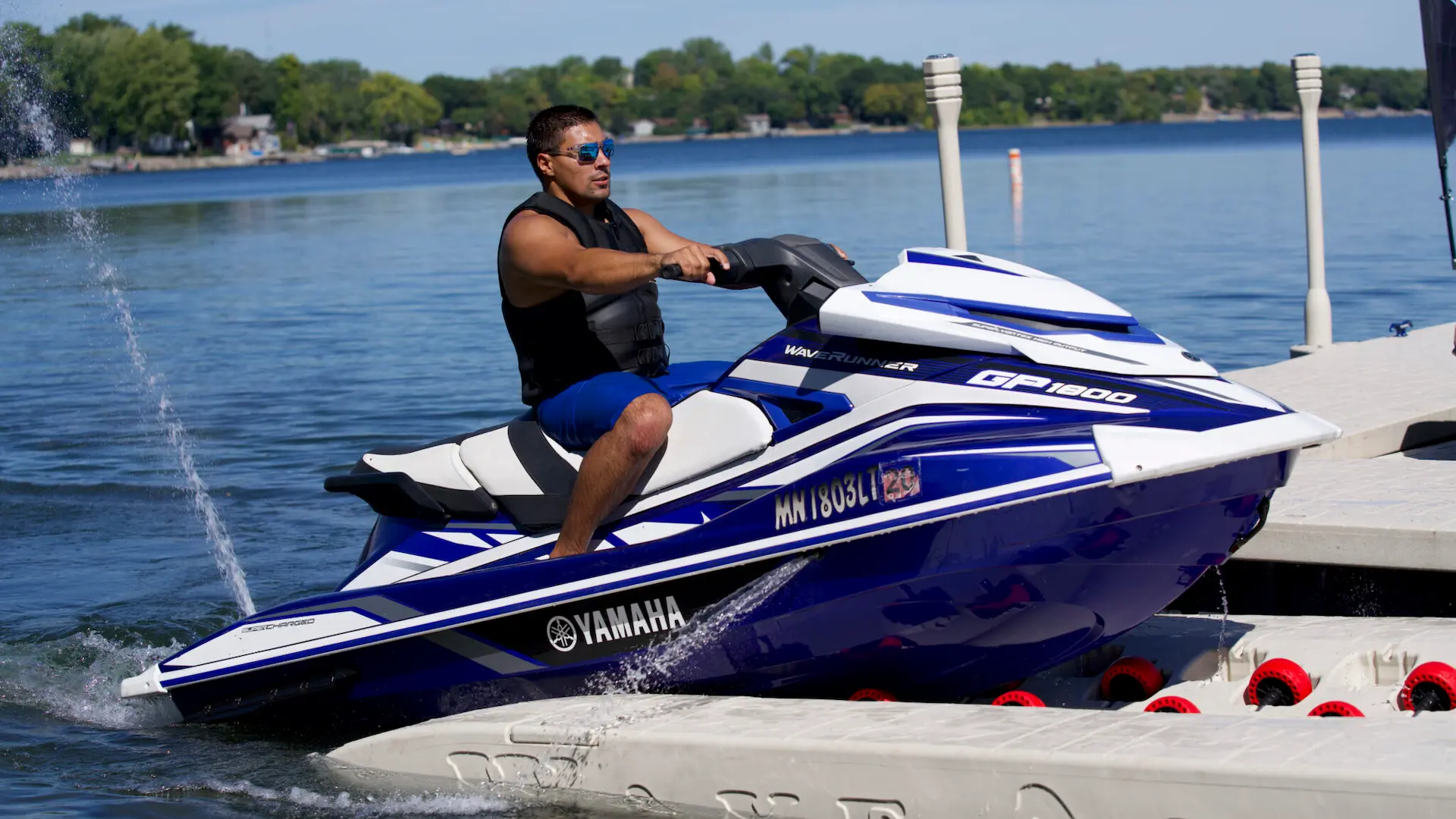
MacDuff Marine provides comprehensive dock maintenance Cape Coral services, including decking replacement, piling repair, hardware upgrades, boat lift service, and PWC port maintenance. As authorized dealers for Wave Armor docks and QABL boat lifts, we offer warranty-backed options. We handle both surface and structural dock needs, from comprehensive inspections to emergency repairs and scheduled maintenance.
To request an estimate, prepare photos, a brief issue description, and dock dimensions for accurate assessment. We offer same-day local service in some situations and competitive estimate policies. Professional service complements homeowner efforts by addressing complex underwater, structural, and lift-system repairs.
Preparing Your Dock for Florida’s Hurricane Season
Preparing your dock for hurricane season involves securing loose items, reinforcing connections, and reducing windage. Before a storm, remove or secure furniture, consider removing small boats/PWC ports, and check cleats, fasteners, and pilings. Reinforce vulnerable connections and photograph the dock’s condition for insurance. During storms, prioritize safety: stay off docks and avoid last-minute fixes on unstable structures.
After the storm, conduct a careful visual inspection for damage, photographing and documenting findings. Schedule a professional structural inspection for any below-waterline or lift-system concerns. These steps reduce catastrophic loss and speed recovery.
Pre-Hurricane Maintenance Steps for Southwest Florida Docks
Weeks before hurricane season, perform a full inspection of decking, fasteners, pilings, and lift attachment points, addressing any loose or corroded hardware. Secure or remove furniture and plan safe boat storage. Document the dock with photos for insurance. Check lines, cleats, and mooring hardware, considering reinforcement for pilings or anchors in vulnerable areas. Professional reinforcement is advised for piling degradation or repeated hardware failures.
Stage your preparation with monthly checks increasing to weekly as storms near, allowing time to secure vulnerable items. This planning reduces storm risk and speeds post-storm recovery with pre-storm documentation.
Keeping Your Dock in Good Shape Year-Round
A year-round dock care tips calendar balances monthly visual inspections with quarterly hardware tightening/surface cleaning, and an annual professional inspection of pilings/underwater components. Schedule annual sealing/staining for wood decks and one deep composite cleaning per year. Monitor boat lift systems biannually, performing electrical safety checks and replacing corroded parts promptly.
Consistent, documented maintenance spreads preventive costs and lengthens the working life of dock systems, making stewardship practical and cost-effective. Regular routines keep small issues from becoming emergencies and keep your dock safe for people and vessels.
Finding Reliable Dock Maintenance Services in Cape Coral
When choosing a dock maintenance Cape Coral provider, evaluate local experience, dealer-authorized status, warranty practices, insurance, references, and communication regarding timelines and emergency response. Authorized dealers offer compatible parts and warranty support. Ask focused questions and request work examples on similar Cape Coral canals to ensure a good fit, reducing risk for routine and urgent repairs.
- What is your experience with dock work in Cape Coral and nearby canals?
- Are you an authorized dealer for any dock or lift manufacturers, and which ones?
- What warranties or guarantees do you provide on repairs and installations?
- Can you share references or recent project examples in the area?
- How do you handle emergency repairs and what is your typical response time?
Favor contractors with documented local experience, transparent warranty handling, and clear emergency response plans, especially during peak storm seasons.
Why Homeowners Choose MacDuff Marine
MacDuff Marine is a local Cape Coral marine contractor providing dock installation, repair, and ongoing dock maintenance Cape Coral, alongside boat lift and PWC port service. As authorized dealers for Wave Armor docks and QABL boat lifts, we ensure compatible parts and warranty support. We offer same-day local service when possible, competitive estimates, and multi-year warranties on selected systems.
Our capabilities make MacDuff Marine a practical choice for dealer-authorized parts, warranty coordination, or fast local response for dock emergencies. Preparing photos and documentation before contacting us speeds estimates and scheduling.
How to Request a Free Estimate and Schedule Dock Service
To request a free estimate, provide clear photos from multiple angles, a brief problem description, and approximate dock dimensions for accuracy. Include details on recent storm impacts or changes, and note any urgency. MacDuff Marine offers same-day local service in some cases and competitive estimate policies, so specify timing needs.
After submission, expect photo review, follow-up questions, and an on-site inspection if structural or underwater concerns require it. Good preparation and quick replies ensure timely, accurate estimates and efficient scheduling.
Frequently Asked Questions
What signs mean my dock needs immediate repair?
Immediate repair signs include soft spots in decking, significant movement, leaning/creaking pilings, rusted hardware, or thick barnacle buildup. Electrical problems like exposed wiring or sparking require immediate professional attention. Early action prevents larger failures and higher costs.
How often should I check my dock?
Perform monthly visual walk-throughs and quarterly detailed checks of fasteners/hardware. Schedule an annual professional inspection for below-water components and pilings, and biannual checks for boat lift systems and electrical components. Regular checks catch issues early, reducing major repair likelihood.
What should I do if I find rot or decay?
If you find rot or decay (soft, crumbly wood), remove affected boards, let the area dry, and document the condition. Small, localized damage can be repaired by replacing boards, but widespread decay or sagging decking requires a professional structural assessment.
Can I use household cleaners on my dock?
Avoid regular household cleaners on docks. Use eco-friendly, marine-specific detergents to prevent damage and protect wildlife. Low-pressure washing and stiff brushes are effective for most cleaning. For heavy barnacle buildup, follow manufacturer guidance or hire a professional. Always check product compatibility.
Why hire a pro for dock maintenance?
Professionals identify hidden issues, possess specialized tools/materials, and perform safe, code-compliant repairs. They offer thorough inspections, document work for insurance, and often provide warranties. Hiring a pro saves time, reduces risk, and protects your waterfront property’s value and safety.
How do I prepare my dock for extreme weather?
Before storms, secure/remove loose items, tighten fasteners/cleats, and reinforce connections. Photograph the dock for insurance. Avoid docks during storms and risky last-minute fixes. After the storm, document damage, perform a cautious visual inspection, and call a professional for underwater/structural concerns.
Which materials work best for Cape Coral docks?
Materials resisting salt, sun, and humidity are ideal. Pressure-treated wood is affordable but requires upkeep. Capped composites offer durable, low-maintenance options. Fiberglass composites resist UV well, and aluminum is lightweight and corrosion-resistant for structural use. Proper material selection and maintenance extend dock life.