
Wave Armor PWC ports are known for their drive-on, roll-off floating design. Built from roto-molded polyethylene shells with closed-cell foam cores, they resist UV, impacts, and saltwater while offering steady buoyancy for personal watercraft. This guide explains why those material choices and the modular layout matter in Southwest Florida, and what maintenance, installation, and warranty details affect long-term performance.
Owners often ask whether Wave Armor ports will survive seasonal storms, stand up to corrosive salt spray, and deliver reliable service for a decade. We answer those questions with clear maintenance steps, plain-language material explanations, and direct comparisons with competitors like EZ Dock. After outlining the durability drivers, we cover storm behavior, warranty limits, realistic lifespan expectations, and local installation considerations — plus how an authorized Wave Armor dealer can protect your investment. If you’re in Southwest Florida and need installation or an inspection, MacDuff Marine’s dealer status and local service options are noted where relevant to help with warranty support and upkeep.
What Materials Make Wave Armor Jet Ski Docks So Durable?
Wave Armor jet ski docks combine a roto-molded HDPE outer shell, a sealed EPS closed-cell foam core, and UV-stabilizing additives. Together these elements deliver impact resistance, built-in buoyancy redundancy, and long-term protection from sun-driven degradation. The shell absorbs knocks while the sealed foam prevents catastrophic waterlogging, creating a buoyant, fracture-resistant port that keeps its shape and load capacity over time. Choosing non-corrosive plastics and sealed foam removes many failure modes common to wood or metal boat docks, especially in saltwater. The table below matches each material to the property it provides and the durability benefit you can expect.
| Material | Property | Durability Benefit |
|---|---|---|
| Roto-molded HDPE | High impact toughness and flexibility | Absorbs knocks and resists cracking from boats and debris |
| EPS closed-cell foam | Sealed, buoyant core | Keeps flotation even if the outer shell is scuffed or breached |
| UV stabilizers (additives) | Slow polymer breakdown and color fade | Helps prevent embrittlement and extends service life in strong sun |
This table shows how material choices directly address Florida’s main durability threats. In practical terms, the top material benefits are:
- Impact resistance that handles everyday bumps and the occasional collision.
- Redundant buoyancy so a single shell issue won’t immediately compromise flotation.
- UV and chemical resistance to slow aging from sun, salt, and fuel exposure.
Those advantages set the stage for how Wave Armor performs in storms and high-UV conditions, which we cover next.
How Does Roto-Molded High-Density Polyethylene Enhance Dock Strength?
Roto-molded HDPE is formed by rotating molten polymer in a mold to create a single, seamless shell with even wall thickness. That continuity reduces weak points where cracks can start and gives consistent structural integrity. HDPE’s natural flexibility lets the shell bend under sudden loads instead of snapping, which reduces damage from strikes or floating debris. It resists many chemicals and won’t corrode like metal, so the shell tolerates fuel spills, sunscreen residue, and salt spray with minimal surface breakdown. These traits help Wave Armor ports hold their shape and load capacity longer than many rigid-plank alternatives — a clear benefit for PWC owners who want low-maintenance durability.
Why Is Foam-Filled Design Important for Stability and Buoyancy?
Closed-cell EPS foam provides sealed buoyancy that still works if the outer HDPE shell is compromised, creating redundancy that improves safety and longevity compared with hollow or open-cell designs. The foam core spreads loads more evenly across the port, reducing localized stress and helping the shell resist deformation when a PWC is parked. Foam-filled systems require good manufacturing seals to prevent water intrusion, but when properly built and installed they greatly reduce the risk of sudden flotation loss. In Florida, the foam core also helps steady the port against salt spray, wakes, and changing tides.
Notes on Closed-Cell Polymer Foam Behavior
Low-density closed-cell foams show predictable deformation under load. Finite element studies indicate that under tension the foam yields across relatively flat cell faces, while under compression some cell faces form plastic hinges and can concertina. Hydrostatic compression tends to cause face bowing. Foam density and polymer type shift yield behavior and post-yield hardening. These observations inform foam design and simulation models used in engineering tools such as ABAQUS.
Source: Deformation mechanisms and the yield surface of low-density, closed-cell polymer foams, 2010
How Does UV Stabilization Protect Wave Armor Docks from Florida’s Sun?
UV stabilizers are mixed into the polyethylene during roto-molding to absorb or dissipate UV energy that would otherwise break polymer chains. That chemical protection slows cracking, chalking, and color fade — helping the HDPE retain flexibility and impact resistance through years of bright sunlight. Regular cleaning to remove grime and routine inspections complement the stabilizers by preventing surface abrasion and preserving the additives. Together, UV protection plus simple maintenance help Wave Armor ports keep their mechanical properties under Southwest Florida’s intense sun.
How Do Wave Armor Jet Ski Docks Perform in Extreme Weather Conditions?
Wave Armor ports are designed to rise and fall with water levels and to flex under load, which gives them inherent resilience to surge and wave action when paired with proper anchoring and installation. Their floating, modular nature reduces shear on fixed connections, so the system often survives high-water events by moving with the surge rather than fighting it. Real-world outcomes still depend on anchor choice, local bathymetry, and storm-preparation practices — proper hardware and timely removal or securement make a big difference. Below are practical steps to improve storm resilience, followed by a short look at saltwater behavior and impact protection.
Best practices to improve storm performance for your Wave Armor dock:
- Use the right anchors and mooring lines: Proper hardware limits lateral drift and reduces component stress.
- Raise or secure PWCs before storms: Removing craft from ports prevents collision damage during surge events.
- Inspect anchors regularly: Catch degraded connections before loads spike during a storm.
Can Wave Armor Docks Withstand Hurricanes and Storm Surges?
Wave Armor floating docks generally fare better in hurricanes and storm surge than many fixed structures because their buoyant modules rise with the water, reducing shear forces on connections and pilings. That buoyant behavior is a primary resilience advantage. Survival is conditional, though — anchor size, installation alignment, and timely preparation (securing or removing vessels) all affect outcomes. Local experience shows professionally installed, well-anchored systems usually perform better than DIY anchor setups, since installation choices determine how loads are distributed during surge. Combine Wave Armor’s buoyancy with robust anchoring and post-storm checks to manage hurricane risk for your jet ski dock.
How Resistant Are Wave Armor Docks to Saltwater Corrosion?
The HDPE shell and closed-cell foam won’t rust or rot, so the main flotation elements are inherently saltwater-resistant. The parts most vulnerable to corrosion are metal fasteners and exposed hardware, so using stainless or marine-grade fittings and rinsing after salt spray are key steps. Rinsing and replacing compromised fasteners keeps corrosion limited to replaceable parts instead of letting it compromise the floats. That separation — non-corrosive floats paired with replaceable metal hardware — reduces overall corrosion risk for your Wave Armor dock in marine conditions.
What Impact Resistance Features Protect Against Daily Wear and Tear?
Impact resistance comes from thick shell walls, internal foam support, and integrated bumpers or optional fendering that spread collision energy and reduce point loads. Non-slip deck surfaces help prevent slips and accidental drops that could dent the shell, and modular components let you replace damaged sections without scrapping the whole system. Routine visual inspections catch abrasions and loose hardware early so you can make quick repairs before small issues grow. These design choices, combined with steady maintenance, minimize daily wear and extend service life in busy dock settings.
What Warranty Coverage Does Wave Armor Offer for Jet Ski Docks?
Wave Armor jet ski docks include an 8-year warranty covering manufacturing defects and structural failure under normal use, with specific provisions for UV-related degradation and material defects. The warranty typically excludes damage from misuse, improper installation, accidents, or storm destruction that exceeds reasonable design limits. Keeping documentation of proper installation and care is often required for claims. The table below summarizes common warranty items, what they cover, and short descriptions to make coverage easy to scan.
| Warranty Item | Covered Attribute | Description |
|---|---|---|
| Structural defects | Material / manufacturing flaws | Repair or replacement for failures traced to manufacturing during the 8-year period |
| UV deterioration | Excessive fading or embrittlement | Coverage for premature UV-related failure beyond normal cosmetic wear |
| Exclusions | Misuse, improper installation, storms | Damage from neglect, incorrect installation, or extreme weather is typically excluded |
This overview clarifies what homeowners can reasonably expect from the 8-year baseline and which risks remain owner-responsible. Professional installation and local dealer support reduce exclusion risk and simplify claims for your Wave Armor dock.
What Does the 8-Year Wave Armor PWC Port Warranty Include?
The 8-year warranty focuses on manufacturing and material defects that affect structural integrity or flotation under normal use. That commonly includes shell delamination, manufacturing-related foam failures, and significant UV embrittlement beyond ordinary cosmetic fading. Exclusions typically cover cosmetic wear, damage from accidents or improper installation, and failures caused by altered components. Keep purchase and installation records, follow recommended maintenance, and observe manufacturer care guidelines to protect warranty eligibility for your Wave Armor dock. Knowing these boundaries helps you plan inspections and repairs to avoid claim denials.
How Does Professional Installation by MacDuff Marine Support Warranty and Durability?
Having an authorized local dealer install your Wave Armor dock ensures anchors, alignments, and connections meet manufacturer specs — improving storm performance and helping satisfy warranty conditions that exclude improper installation. MacDuff Marine provides sales and installation across Southwest Florida as an authorized Wave Armor dealer, bringing local knowledge that reduces installation-related exclusions and helps with claims documentation if issues arise. Working with a trained installer also shortens response times for maintenance, matches hardware choices to local marine conditions, and offers seasonal service options that improve long-term durability.
How Long Do Wave Armor Jet Ski Docks Last? Expected Lifespan and Maintenance Tips
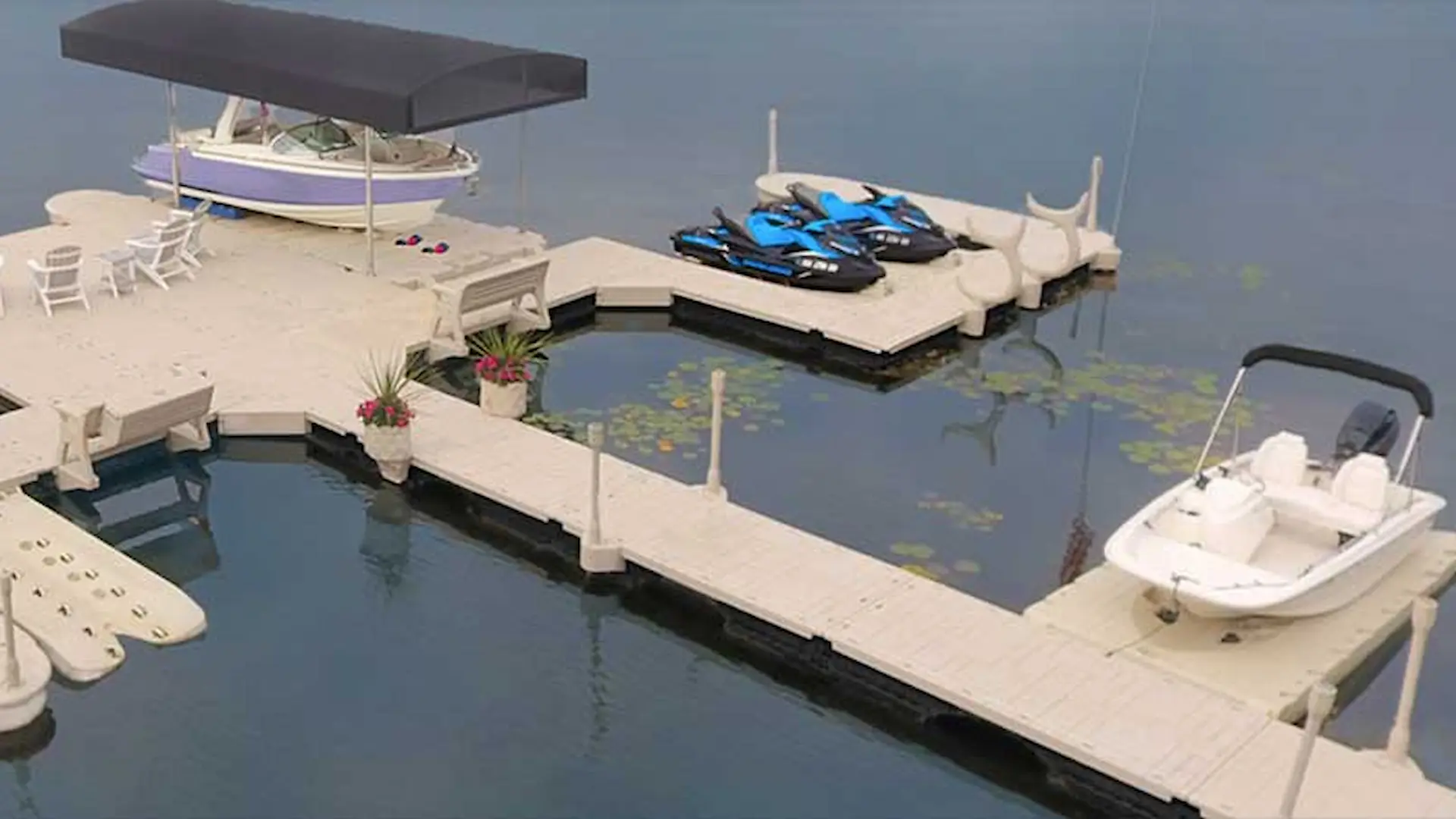
Wave Armor jet ski docks come with an 8-year manufacturer warranty and, with routine maintenance and proper installation, commonly provide reliable service beyond ten years in Florida. Lifespan depends on UV exposure, storm frequency, maintenance cadence, and hardware corrosion management — proactive care can turn that eight-year baseline into a decade or more of useful life. Below is a prioritized maintenance checklist for saltwater, high-UV locations to help owners maximize longevity for their Wave Armor dock.
- Monthly rinse and visual inspection: Rinse off salt and check for abrasions or loose fasteners.
- Post-storm inspection: Assess anchors, connections, and foam condition after major weather.
- Annual hardware service: Replace corroded fasteners and verify anchor scope and line condition.
What Is the Typical Lifespan of Wave Armor Jet Ski Docks in Florida?
With regular maintenance, correct anchoring, and occasional repairs, Wave Armor jet ski docks typically outlast the 8-year warranty and often reach 10–15 years depending on exposure and owner diligence. High UV, frequent storms, or neglected hardware can push life toward the warranty baseline, while diligent rinsing, timely hardware replacement, and professional inspections commonly extend usable years. The realistic range depends on how actively you care for the system.
What Maintenance Practices Maximize Dock Durability?
Maximize durability by rinsing salt regularly, maintaining hardware, following a steady inspection schedule, and preparing for storms: rinse monthly, inspect fasteners and bumpers quarterly, schedule an annual professional check, and secure or remove PWCs before forecast storms. Replace corroded stainless fasteners, lubricate moving parts, and keep non-slip surfaces in good condition to limit wear. For anchor checks, complex repairs, or warranty-related work, contact MacDuff Marine to ensure the job follows manufacturer standards and reduces long-term costs. Treat the Wave Armor dock as a system so small issues don’t become big problems.
How Does Wave Armor Compare to Other Jet Ski Dock Brands in Durability?
Compared with alternatives like EZ Dock, Candock/JetRoll, and Connect-A-Dock, Wave Armor emphasizes a roto-molded HDPE shell with foam fill that delivers redundant buoyancy and impact absorption. Competitors may use different polymer blends, foam-free hollow modules, or interlocking LLDPE panels — each approach balances recyclability, maintenance needs, and response to impact or surge. The comparison table below maps brand/material choices to durability features, warranty, and sustainability notes to help buyers choose what’s best for Southwest Florida.
| Product / Brand | Material | Durability Features | Warranty | Sustainability Notes |
|---|---|---|---|---|
| Wave Armor | Roto-molded HDPE + EPS foam | Redundant buoyancy and impact absorption | 8-year warranty on PWC ports | Foam-filled cores; long-lived plastics |
| EZ Dock | Polyethylene panels (LLDPE) | Modular, repairable panels; foam-free options | Varies by product | Foam-free options improve recyclability at end-of-life |
| Candock / JetRoll | Interlocking plastic modules | Lightweight, flexible layouts | Varies | Materials and sustainability vary by model |
This comparison highlights practical durability and sustainability trade-offs for Florida buyers: Wave Armor’s foam-filled approach favors buoyancy redundancy and impact resilience, while other systems emphasize modularity or easier end-of-life recycling.
What Are the Material and Construction Differences Between Wave Armor and EZ Dock?
Wave Armor’s roto-molded HDPE shell with closed-cell foam produces a contiguous, impact-tolerant float with built-in redundancy. EZ Dock and similar brands often use LLDPE interlocking panels or foam-free floating blocks that prioritize layout flexibility and lighter modules. Foam-filled shells give steady buoyancy and better localized impact tolerance, while foam-free panel systems may be easier to recycle and can behave differently under point impacts. For owners focused on storm and impact resilience in Florida, foam-filled roto-molded designs typically offer clear longevity advantages; for those prioritizing recyclability, foam-free options may be preferable.
Why Is Wave Armor Better Suited for Southwest Florida’s Environment?
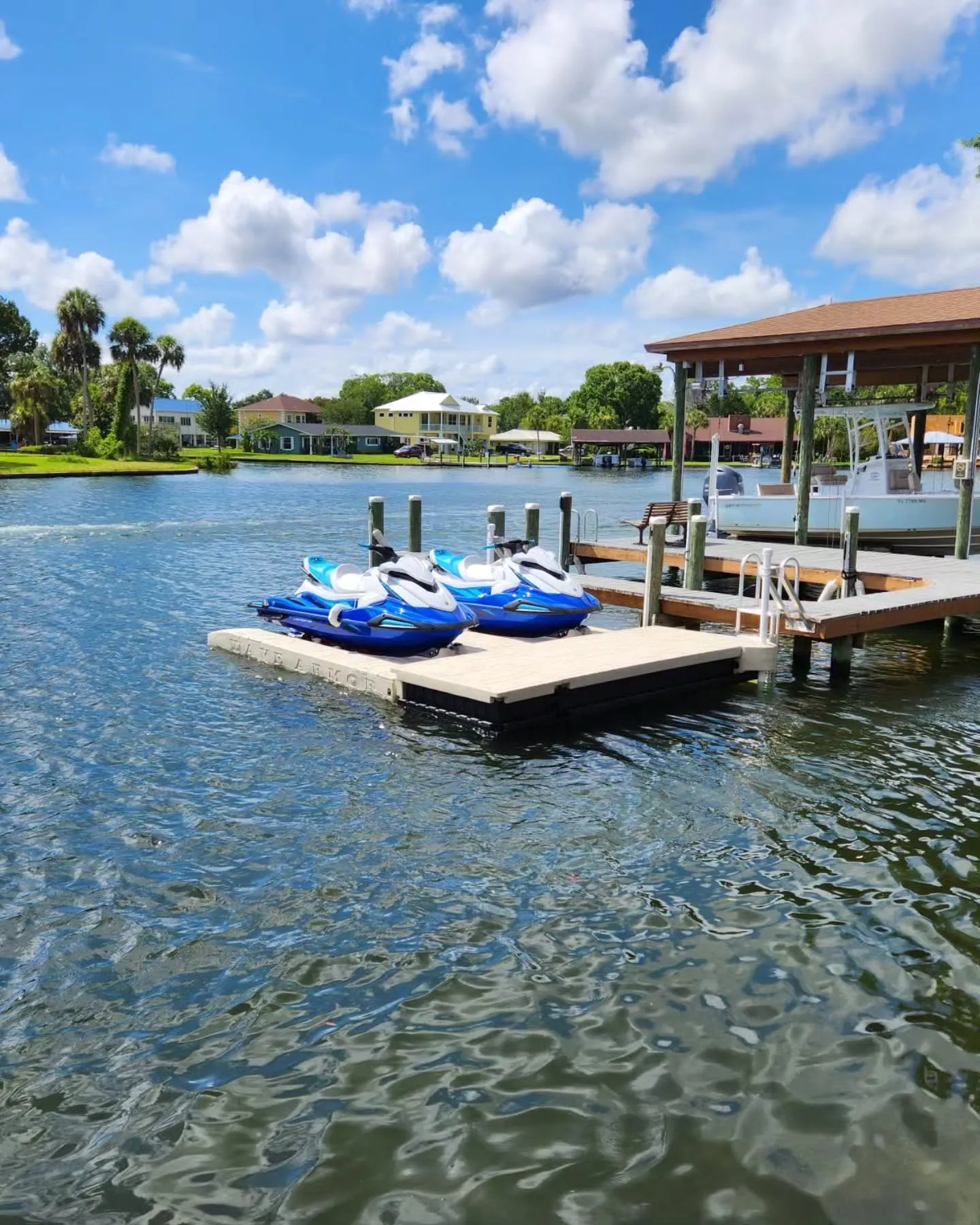
Wave Armor floating docks — with UV-stabilized HDPE and sealed foam cores — address Southwest Florida’s main stressors: intense sun, salt spray, and periodic storm surge. Buoyant modules that rise with changing water levels reduce stress on connections during surges, and the non-corrosive primary components cut routine degradation compared with wood or metal docks. Where debris impacts and heavy use are common, Wave Armor’s redundancy and impact-focused design offer a practical combination of longevity and low maintenance for your jet ski dock.
How Can You Get Professional Wave Armor Jet Ski Dock Installation in Southwest Florida?
Professional installation for your Wave Armor jet ski dock typically starts with a request for an estimate, selection of anchors and scope, delivery and placement of modular units, and final alignment to manufacturer tolerances. Depending on site complexity and permitting, installation can be completed in days. Choosing an authorized local dealer ensures the work follows Wave Armor guidelines, supports warranty coverage, and optimizes anchor choices for the local seabed and tides. MacDuff Marine is a regional marine product sales and installation provider and an authorized Wave Armor dealer serving Southwest Florida — our local experience helps owners get correct installation, flexible scheduling, and assistance with warranty paperwork when needed. Practical installation benefits and next steps include:
- Professional anchoring and alignment: Ensures load paths are correct and reduces failure risk.
- Warranty support and documentation: Authorized installers streamline claims and compliance.
- Local service and flexible scheduling: On-the-ground support for seasonal maintenance and post-storm inspections.
What Are the Benefits of Choosing MacDuff Marine for Installation?
MacDuff Marine is an authorized Wave Armor dealer with hands-on experience across Southwest Florida. We match manufacturer-recommended installation methods to site conditions, which supports warranty pathways and helps with claims documentation. Local installers also offer flexible scheduling, seasonal service, and maintenance advice tailored to Florida’s saltwater and hurricane-prone environment — helping you protect your Wave Armor investment.
How Does Professional Installation Enhance Dock Durability and Performance?
Professional installation improves durability by selecting anchors and scopes suited to the seabed, aligning modules to distribute loads, and using marine-grade hardware that lowers corrosion risk — each decision affects long-term performance. Expert installers follow manufacturer tolerances to prevent premature wear from misalignment and ensure bumpers and fenders perform correctly. Regular professional inspections and seasonal servicing reduce the chance that small issues become structural problems, preserving uptime and warranty eligibility for Wave Armor PWC ports.
Frequently Asked Questions
What are the key factors that affect the lifespan of Wave Armor jet ski docks?
The main factors are UV exposure, storm frequency, maintenance habits, and the quality of hardware used. Regular care — rinsing salt, tightening fasteners, and checking anchors — extends service life. Proper installation and anchoring are also crucial for withstanding harsh weather. Owners who actively manage these areas can expect service well beyond the standard 8-year warranty, often in the 10–15 year range.
How can I ensure my Wave Armor jet ski dock is properly maintained?
Follow a regular maintenance routine: rinse monthly to remove salt and debris, inspect quarterly for loose fasteners and abrasions, and schedule an annual professional hardware check. After major storms, perform a thorough inspection. Securing or removing PWCs before storms helps prevent collision damage. These steps keep the dock functioning well and lengthen its useful life.
What should I do if my Wave Armor jet ski dock sustains damage?
First, assess the damage. For minor issues — surface scratches or loose fasteners — you can often make repairs yourself (tighten hardware, swap worn parts). For structural damage or suspected foam intrusion, contact a professional installer or an authorized dealer like MacDuff Marine. They will advise on repairs that preserve warranty coverage and ensure safe, durable fixes.
Are there any specific installation tips for Wave Armor floating docks in hurricane-prone areas?
Yes. Use appropriately sized anchors and mooring lines to minimize lateral drift and stress. Align the dock to distribute loads evenly and secure or remove PWCs before storms. Inspect the anchoring system and connections regularly so they remain reliable during extreme weather.
How do Wave Armor jet ski docks compare to traditional wooden docks?
Wave Armor docks offer several advantages: they don’t rot, corrode, or splinter like wood, and they resist UV and saltwater exposure, which cuts maintenance and extends life. The foam-filled design provides better buoyancy and impact resistance, making Wave Armor more resilient in harsh marine environments than typical wooden docks.
What are the environmental benefits of using Wave Armor floating docks?
Wave Armor reduces reliance on treated lumber, easing pressure on timber resources. The durable, non‑corrosive materials lower the need for frequent replacements, and the modular design allows targeted repairs instead of full replacement — reducing waste. While foam-filled cores complicate recyclability, the long service life and reduced demand for treated wood make Wave Armor a lower-impact option for many waterfront owners.