
Discovering the ideal dock style for your Cape Coral waterfront property is crucial for your waterfront lifestyle, property value, and boating convenience, a topic frequently discussed in boating community forums. This comprehensive guide covers key waterfront factors, popular dock types (including floating, fixed, and pile options), suitable materials, permitting essentials, boat lifts, accessories, costs, maintenance, and how to choose the right marine contractor. Insights from MacDuff Marine’s custom dock design and installation services will help you match functionality and aesthetics, ensuring you gain clarity on cape coral dock building styles and feel confident in your decision, especially when working with certified marine contractors.
What Are the Key Waterfront Factors to Consider When Choosing Your Ideal Dock Style in Cape Coral?
Your ideal dock style selection hinges on matching your property’s physical conditions with structural performance and usage goals. Understanding water depth, canal dimensions, and environmental stresses, often guided by Southwest Florida Water Management District and marine industry publications, helps ensure safe access, longevity, and compliance. This assessment is crucial for selecting your ideal dock style, whether fixed, floating, pile, or specialty docks tailored to Cape Coral’s unique canal network.
How Do Water Depth and Tidal Fluctuations Affect Ideal Dock Style Selection?
Water depth and tidal variation directly influence dock stability and accessibility, as structures must remain functional at all water levels. Shallow canals often require pile or fixed docks anchored to the seabed, while deeper, fluctuating waterways favor floating systems, often an ideal dock style, that rise and fall with tides. Matching depth adaptation to your boating habits prevents damage during low tides or storm surges, ensuring dock functionality and guiding you toward the ideal dock style.
Why Is Canal Width and Navigation Important for Dock Design?
Canal width and navigable clearance determine your ideal dock style’s footprint and configuration, as insufficient space can obstruct boat passage. Wider canals allow L-shaped or T-shaped extensions for larger vessels, while narrow channels benefit from compact, straight-run docks that minimize obstruction. Ensuring adequate runway and turning radius keeps your dock design safe, compliant, and respectful of U.S. Coast Guard boating safety guidelines and boating safety resources, often discussed on The Hull Truth.
How Do Environmental Factors Like Saltwater, Sun, and Storms Impact Dock Longevity?
Cape Coral’s saltwater, intense UV radiation, and hurricanes accelerate material degradation, corrosion, and structural fatigue. Salt spray, UV rays, and storm surges impact wood, metal, and plastics. Accounting for these environmental protection guidelines informs material selection and design, ensuring your ideal dock style withstands harsh marine conditions, as highlighted by FEMA hurricane resiliency studies and corrosion resistance research.
What Are the Most Popular Dock Styles for Cape Coral Waterfront Properties?
Cape Coral waterfront owners typically choose their ideal dock style from options like fixed docks, floating docks, pile docks, and specialty docks based on site conditions, watercraft type, and budget. Each ideal dock style integrates distinct foundation methods and offers specific advantages—from permanence and load-bearing capacity to tidal adaptability and minimal seabed impact. Exploring these styles reveals performance trade-offs and guides your selection.
What Are the Pros and Cons of Fixed Docks for Southwest Florida?
Fixed docks are permanent structures anchored by driven pilings, offering high stability and the ability to support heavy boat lifts. They work best in consistent-depth canals and require moderate maintenance to protect decking from moisture and UV damage. While offering unmatched permanence and load support, their limited water-level adaptability may lead owners to explore more flexible alternatives for their ideal dock style.
How Do Floating Docks Adapt to Changing Tides and Water Levels?
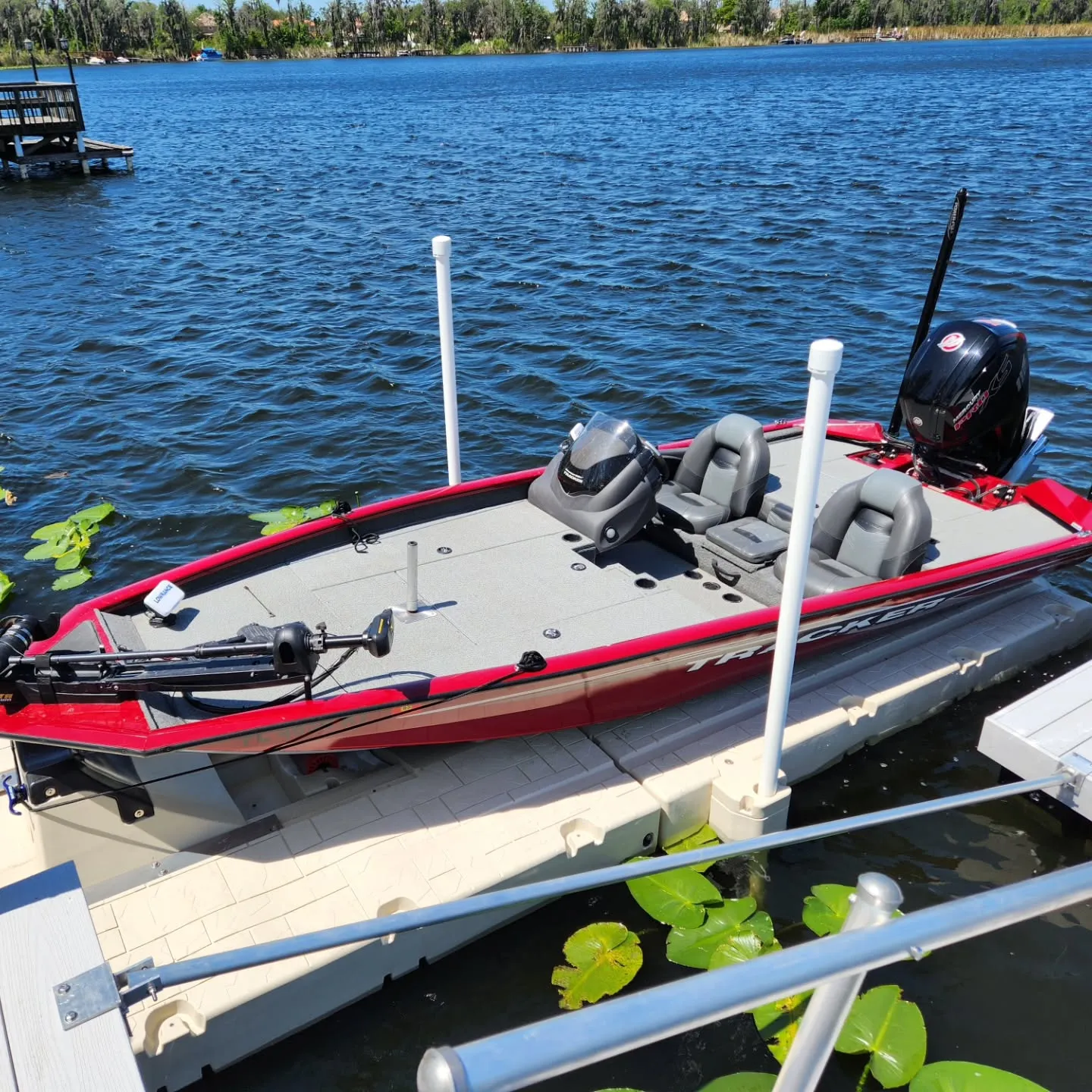
Wave Armor floating docks ride on buoyant pontoons, rising and falling with tides to prevent structural stress and minimize seabed disturbance. This adaptability makes them ideal for variable-depth canals, often qualifying for simpler general permits. They offer easy installation and reduced long-term permit hurdles, making them a popular choice for deep or fluctuating waterways.
What Are Pile Docks and Why Are They Common in Cape Coral?
Pile docks use vertical pilings driven deep into the canal bottom to support stringers and decking above water. This foundation resists lateral storm forces, crucial for hurricane damage prevention, and prevents scour. Ideal for canals with firm substrates, pile docks combine permanence with reduced decking maintenance. Their driven-pile design is widespread in Cape Coral, enhancing resilience against storms and reducing marine growth on decking.
When Should You Consider Specialty Docks Like Jet Ski, Kayak, or Fishing Docks?
Specialty docks provide purpose-built platforms for specific watercraft and activities, optimizing safety and user experience.
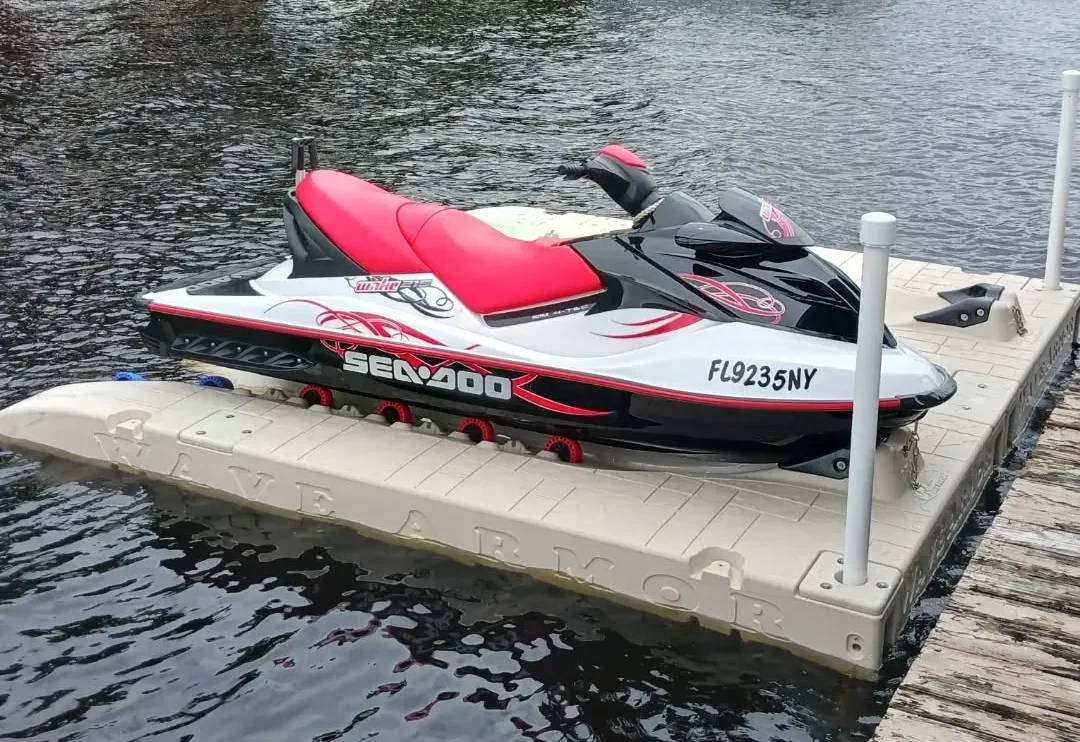
Jet Ski Dock: Offers drive-on ports and cleated lifts for personal watercraft storage, including brands like Sea-Doo. For a detailed jet ski dock comparison, consider various options.
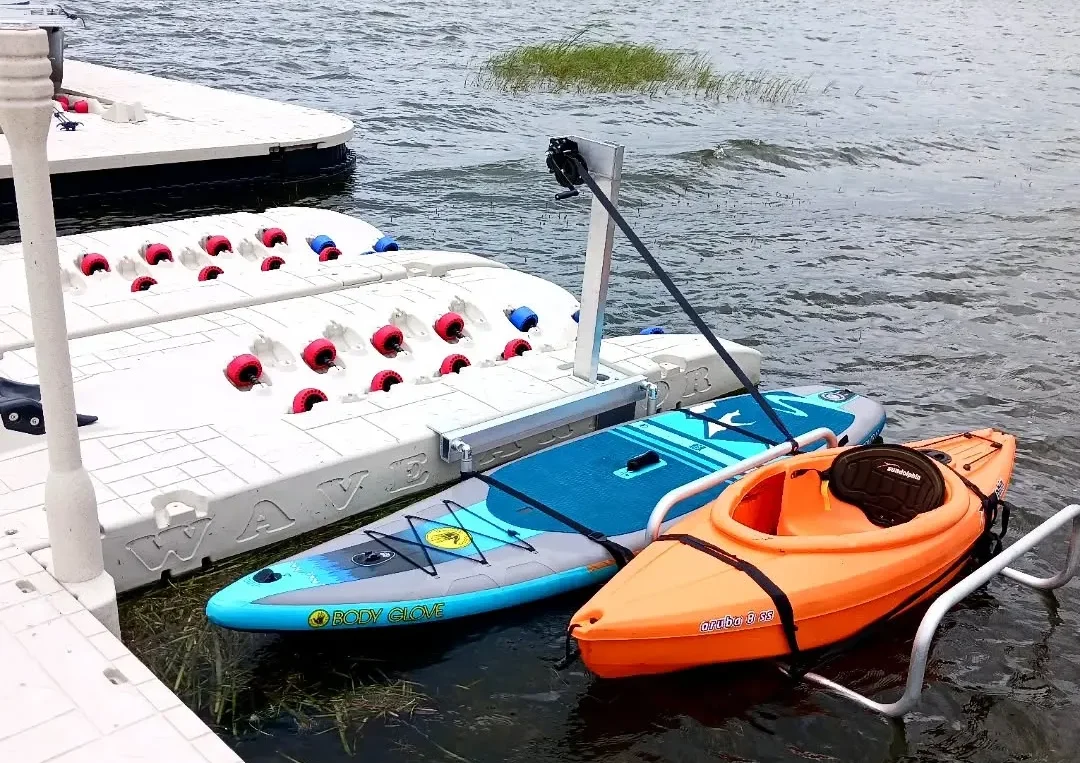
Kayak Dock: Features low-profile ramps and easily removable sections for paddlecraft access.
Fishing Dock: Incorporates fishing rod holders, bait stations, and non-slip decking for angling comfort.
Selecting a specialty dock aligns design details with your recreational priorities, ensuring a tailored solution for each watercraft or activity.
Which Dock Materials Are Best Suited for Cape Coral’s Climate and Saltwater Environment?
Dock materials must resist corrosion, UV degradation, rot, and marine organism attacks while balancing aesthetics and maintenance. Wood, composite, aluminum, and polyethylene each bring unique properties, from traditional appeal to modern durability. Choosing the proper material steers us toward understanding treated wood, composites, and advanced polymers.
Material Performance in Marine Environments
The choice of dock materials is critical in Cape Coral’s saltwater environment, where UV radiation and saltwater exposure accelerate degradation. Materials like composite decking offer durability and low maintenance, making them a popular choice for waterfront properties, adhering to American Boat & Yacht Council standards. Further MIT materials research provides insights into material longevity in harsh conditions.
What Are the Benefits and Maintenance Needs of Pressure-Treated Wood Docks?
Pressure-treated wood docks combine classic appearance with rot-resistant lumber, infused with preservatives to block fungal growth and marine borer damage. Regular cleaning and annual sealing protect against UV fade and moisture, making it a cost-effective choice. While durable and aesthetically warm, its maintenance schedule often drives owners toward composite alternatives with lower upkeep demands.
Why Is Composite Decking a Durable and Low-Maintenance Option?
Composite decking mixes wood fibers and recycled plastics, creating boards that resist rot, splintering, and UV damage. The manufacturing process binds polymers and wood particles into stable profiles requiring no sealing, sanding, or staining. Its heat-reflective pigments and textured surfaces also enhance slip resistance, making it popular for busy waterfront families. This engineered durability and minimal upkeep translate to long-term savings, motivating many property owners to upgrade from traditional wood.
How Do Aluminum and Polyethylene Docks Perform in Florida’s Marine Conditions?
Aluminum dock systems use marine-grade alloys that resist corrosion, simplifying installation and enabling modular reconfiguration. Wave Armor polyethylene docks employ high-density plastic pontoons and beams that withstand UV exposure, marine growth, and impact without rust or rot. For a comprehensive Wave Armor durability overview, these systems are designed for longevity, often meeting NMMA guidelines. Detailed HDPE material properties are available in technical guides. Recognizing aluminum’s versatility and polyethylene’s resilience allows owners to match performance attributes with site-specific environmental challenges.
What Is the Dock Permitting Process in Cape Coral and Which Agencies Are Involved?
Building a dock in Cape Coral requires navigating local, state, and federal regulations to protect waterways and habitats. The permitting framework involves multiple agencies, each assessing environmental requirements, navigational safety, and zoning compliance. Understanding these ensures a smooth application process and prevents costly delays.
Which Local, State, and Federal Agencies Regulate Dock Construction in Cape Coral?
City of Cape Coral Building Department: Oversees zoning and setbacks, often coordinating with the Cape Coral Chamber of Commerce.
Florida Department of Environmental Protection (FDEP): Issues state waterway permits.
U.S. Army Corps of Engineers (USACE): Regulates federal navigable waters permits.
These agencies coordinate to review structural plans, environmental assessments, and canal usage, ensuring your dock aligns with all legal and ecological standards.
What Types of Permits Are Required for Building a Dock in Cape Coral?
Exempt Permits: For minor docks under approved dimensions.
General Permits: For standardized designs within state guidelines.
Individual Permits: For custom structures exceeding general thresholds.
Selecting the correct permit category reduces processing time and aligns your project with FDEP and USACE review criteria.
How Can You Navigate the Permit Application Process Step-by-Step?
Site Survey: Commission a licensed surveyor to map shoreline elevations and canal boundaries.
Pre-Application Meeting: Consult with City planning staff and DEP permitting specialists.
Engineering Plans: Prepare stamped structural drawings detailing piles, decking, and boat lifts, ensuring compliance with relevant SAE International engineering standards.
Environmental Assessment: Document potential impacts on seagrass, mangroves, and fish habitats.
Submit Application: File forms and fees with City of Cape Coral, FDEP, and USACE as required.
Permit Tracking: Monitor review status and respond to agency comments promptly.
Executing each step in sequence minimizes delays and accelerates your dock’s starting date.
How Can Boat Lifts and Dock Accessories Enhance Your Cape Coral Dock?
Incorporating boat lifts and accessories elevates dock functionality, protects vessels, and extends recreational hours. These enhancements integrate seamlessly into your dock design, optimizing safety and convenience. Understanding lift options helps match your vessel’s needs, while accessories like lighting improve usability day and night.
How Can Boat Lifts and Dock Accessories Enhance Your Cape Coral Dock?
Incorporating boat lifts and accessories elevates dock functionality, protects vessels, and extends recreational hours. These enhancements integrate seamlessly into your dock design, optimizing safety and convenience. Understanding lift options helps match your vessel’s needs, while accessories like lighting improve usability day and night.
What Types of Boat Lifts Are Available and How Do You Choose the Ideal One?
Boat lifts come in various configurations to suit vessel size and your ideal dock style, including advanced QABL boat lift systems for larger boats, PWC Lifts for personal watercraft, and Davit Lifts for smaller tenders. For comprehensive boat lift solutions, various manufacturers offer specialized systems. Evaluating lift capacity, power source, and compatibility ensures reliable vessel storage and protection, often guided by ABYC industry standards and Boating Magazine reviews.
What Are the Best Jet Ski Docking Solutions for Southwest Florida?
Jet ski docks, often designed for leading personal watercraft manufacturers, feature drive-on pockets or floating platforms that simplify loading and unloading. Wave Armor buoyant pontoons cradle PWC hulls and secure craft during storms, contributing to hurricane damage prevention. These docks prevent hull damage and reduce maintenance by keeping watercraft above corrosive saltwater. Explore Wave Armor benefits and maintenance advantages. Specialty PWC docks maximize convenience and safeguard personal watercraft.
How Does Dock Lighting Improve Safety and Ambiance?
Strategically placed LED and solar lights illuminate walkways, ladders, and boat lifts for nighttime access. LED fixtures provide high lumen output with low energy draw, while solar-powered lamps offer off-grid convenience. Proper lighting enhances visibility, deters trespassers, and creates an inviting waterfront atmosphere, transforming your dock into a safe, multi-hour entertainment space.
Why Are Dock Ladders and Cleats Essential for Functionality?
Dock ladders ensure secure water entry and exit for swimmers and divers, complying with Florida boating regulations and promoting boating safety. Stainless steel cleats anchor vessels firmly, preventing accidental drift and damage. Both accessories integrate seamlessly into decking profiles and endure marine conditions with minimal corrosion. Choosing marine-grade hardware and slip-resistant ladder rungs rounds out your dock’s functionality and user safety.
What Are the Typical Costs and Maintenance Requirements for Docks in Cape Coral?
Understanding construction costs and ongoing upkeep helps waterfront owners budget effectively and protect their investment. Costs vary by ideal dock style, material, features, and site conditions, while maintenance depends on environmental exposure and usage. Delving into cost drivers highlights effective maintenance and maximizing property value.
What Factors Influence Dock Construction Costs in Southwest Florida?
Construction expenses depend on:
Size and Configuration – Square footage, shape, and crossovers.
Material Selection – Wood, composite, aluminum, polyethylene.
Foundation Method – Driven pilings versus floating pontoons.
Accessories Included – Boat lift systems, lighting, benches.
How Can You Maintain Your Dock to Ensure Longevity in Florida’s Climate?
Routine maintenance tasks protect structural integrity and appearance:
- Clean surfaces quarterly to remove algae and barnacles
- Inspect and tighten hardware bi-annually
- Reapply sealant or stain on wood decking every 2–3 years
- Flush composite boards with mild detergent annually
How Do Docks Enhance Waterfront Property Value in Cape Coral?
A well-designed dock increases market appeal by providing boat access, recreational space, and architectural interest. Real estate studies show docks can raise property values by $15,000 to $25,000 on average. Premium features—like composite decking, boat lifts, and integrated lighting—add further resale appeal, making your dock a strong investment in both lifestyle and equity, aligning with marina industry standards.
How Do You Choose the Ideal Marine Contractor for Your Dock Project in Cape Coral?
Selecting a qualified marine contractor ensures your ideal dock style is built to code, withstands local conditions, and meets your design vision. Evaluate credentials, local expertise, and craftsmanship to find a partner who will guide you through permitting, construction, and maintenance for a seamless and durable outcome.
You said
What Key Factors Should You Consider When Selecting a Marine Contractor?
When vetting contractors, look for:
Proven experience with Cape Coral and Fort Myers area dock projects
Familiarity with FDEP and USACE permitting requirements
Portfolio of completed installations of fixed, floating, and specialty docks
Strong customer reviews and client testimonials, often supported by Better Business Bureau accreditation
Use of high-quality materials and certified installers
Transparent quotes, warranties, and maintenance plans
Prioritizing these criteria builds trust and reduces risk, often verified through associations like the Florida Marine Contractors Association.
How Does MacDuff Marine Provide Customized Dock Solutions for Cape Coral?
MacDuff Marine combines local knowledge with advanced design software to craft your ideal dock style that aligns with your waterfront conditions and lifestyle goals. To understand why MacDuff Marine is a leading installer, review our complete comparison guide. Our services include site surveys, permitting assistance, structural engineering, material selection, installation, and post-construction maintenance. We guide you from concept to completion, ensuring compliance with City of Cape Coral, DEP permitting, and USACE regulations while exceeding quality standards. Partnering with a marine contractor that understands Cape Coral’s nuances ensures your dock stands the test of time and enhances your waterfront living.
A thoughtfully selected ideal dock style, tailored materials, and strategic accessories transform your Cape Coral property into a resilient and inviting waterfront retreat. By assessing site conditions, navigating permits, controlling costs, and choosing experienced contractors, you secure performance and peace of mind. MacDuff Marine’s expertise in custom dock design and installation supports every step, from initial planning to final inspection. Reach out today to discuss how we can help you bring the perfect dock solution to your Southwest Florida home.
Gemini said
What Key Factors Should You Consider When Selecting a Marine Contractor?
When vetting contractors, look for:
Proven experience with Cape Coral and Fort Myers area dock projects.
Familiarity with FDEP and USACE permitting requirements, especially regarding local setbacks and environmental regulations.
Portfolio of completed installations of fixed, floating, and specialty docks that demonstrate craftsmanship.
Strong customer reviews and client testimonials, often supported by Better Business Bureau accreditation.
Use of high-quality materials and certified installers who understand marine environments.
Transparent quotes, warranties, and maintenance plans that protect your investment long-term.
Prioritizing these criteria builds trust and reduces risk, often verified through associations like the Florida Marine Contractors Association.
How Does MacDuff Marine Provide Customized Dock Solutions for Cape Coral?
MacDuff Marine combines local knowledge with advanced design software to craft your ideal dock style that aligns with your waterfront conditions and lifestyle goals. To understand why MacDuff Marine is a leading installer, review our complete comparison guide.
Our services include:
Site Surveys: Mapping shoreline elevations and canal boundaries.
Permitting Assistance: Navigating the complex requirements of the City of Cape Coral and state agencies.
Structural Engineering: Preparing stamped drawings for piles, decking, and lifts.
Material Selection & Installation: Expertise in fixed, floating, and specialty systems.
Post-Construction Maintenance: Ensuring your dock remains a lasting waterfront asset.
We guide you from concept to completion, ensuring compliance with City of Cape Coral, DEP permitting, and USACE regulations while exceeding quality standards. Partnering with a marine contractor that understands Cape Coral’s nuances ensures your dock stands the test of time and enhances your waterfront living.
A thoughtfully selected ideal dock style, tailored materials, and strategic accessories transform your Cape Coral property into a resilient and inviting waterfront retreat. By assessing site conditions, navigating permits, controlling costs, and choosing experienced contractors, you secure performance and peace of mind. MacDuff Marine’s expertise in custom dock design and installation supports every step, from initial planning to final inspection.
Reach out today to discuss how we can help you bring the perfect dock solution to your Southwest Florida home.