
Wave Armor PWC ports are rotomolded, foam‑filled jet ski docks designed for modular layouts, strong saltwater performance, and easy boarding. This guide lays out Wave Armor’s core advantages alongside other PWC systems, helps you choose the right model, and offers practical, region‑specific advice for buyers across Southwest Florida. Consider this a full jet ski docks comparison—from durability and hurricane resilience to long‑term upkeep—showing how materials, roller setups, and modular couplings change real‑world outcomes. You’ll get a quick features summary, head‑to‑head comparisons with EZ Dock, Jet Dock, and Candock, model recommendations (Pro Port, SLX, Wide Body), plus installation and maintenance guidance. We also cover how local dealers and installers assist with selection, permitting, and installation in Lee, Charlotte, Sarasota, Collier, DeSoto, and Polk counties. Relevant search phrases like Wave Armor PWC port review Florida, modular dock systems for multiple jet skis, and jet ski docks comparison Florida are included to help your research.
Core Features of Wave Armor Jet Ski Docks: A Comparison Overview
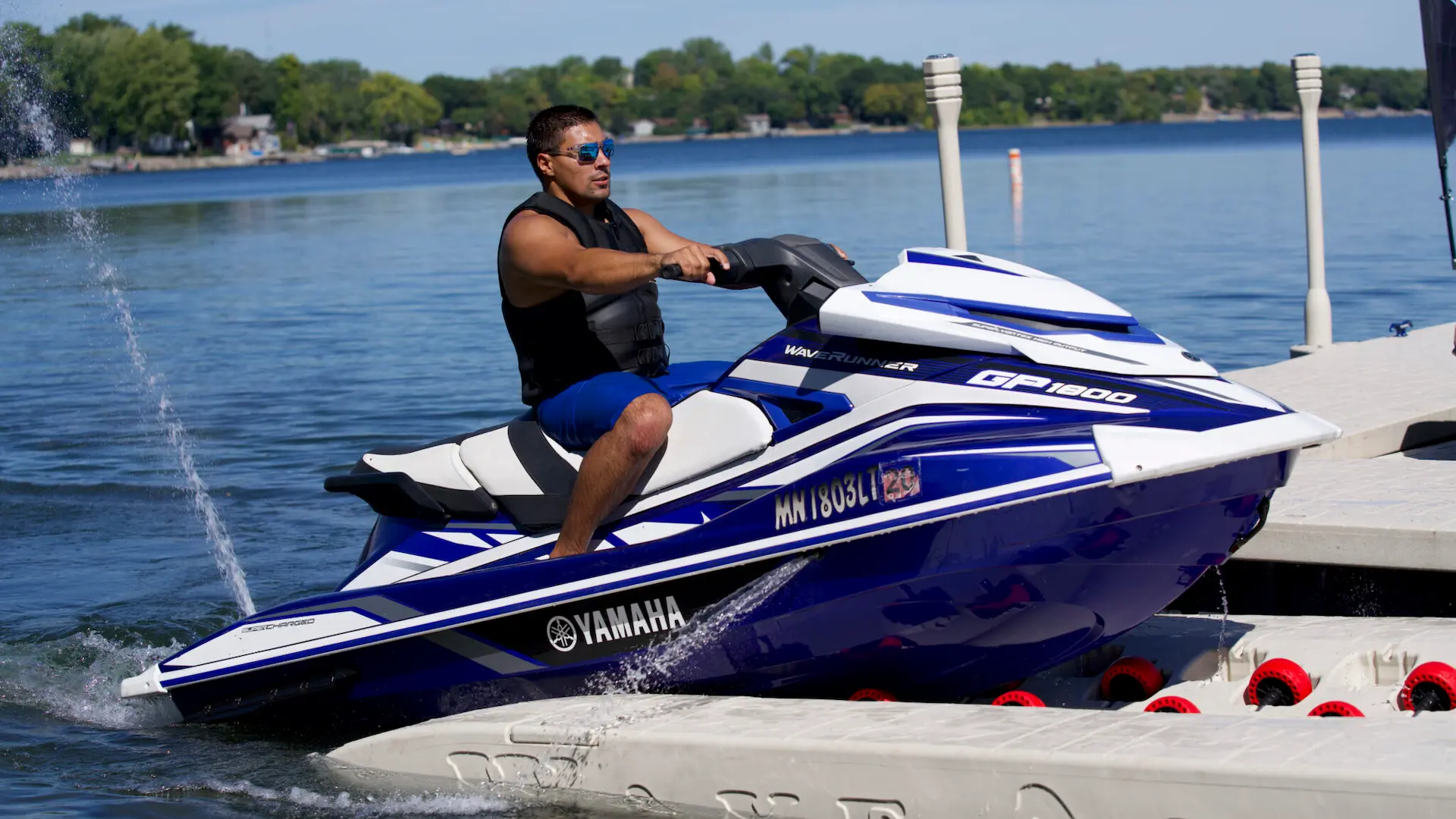
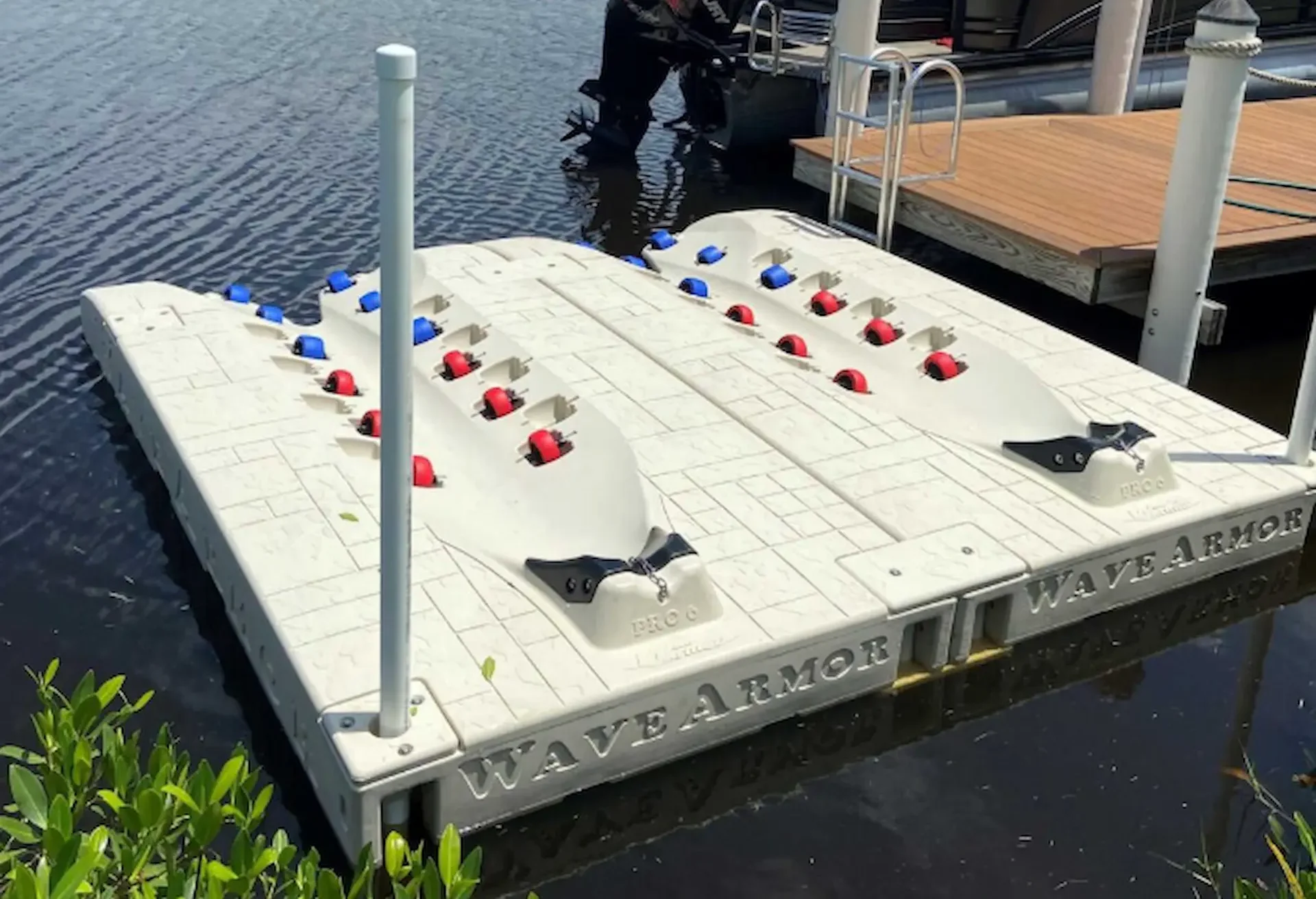
Wave Armor PWC docks combine an H‑Beam modular coupling with rotomolded polyethylene shells packed with closed‑cell foam and adjustable roller arrays. Those elements deliver reliable buoyancy, structural stiffness, and easier boarding while reducing corrosion and hull scuffing in saltwater. Owners also get non‑slip decking and built‑in bow stops for safer docking and craft protection. Below is a concise list of the main product features with one‑line benefits to speed decision making and support featured snippets for jet ski docks comparison.
- Modular H‑Beam Coupling: Robust, load‑sharing connections that make reconfiguring and expanding your PWC port models straightforward.
- Rotomolded Polyethylene Shell: Thick, impact‑resistant outer shell with UV stability for long outdoor service life.
- Foam‑Filled Interior: Permanent buoyancy and added stiffness to resist waves and surge.
- Adjustable Roller System: Easier loading and unloading while reducing hull wear.
- Non‑Slip Decking and Bow Stop: Safer boarding and a secure resting position for PWCs.
- Manufacturer Warranty: Standard Wave Armor coverage to help protect your investment.
These bullets explain why many homeowners pick Wave Armor for residential PWC ports. Next, we’ll cover how the modular coupling enables site‑specific customization for your jet ski docks.
Wave Armor’s Modular Design: Enhancing Jet Ski Docks Customization
Wave Armor’s modular system uses H‑Beam extrusions and standardized couplers so sections join in layouts that follow your shoreline and how you use the water. Installers can add walk‑around platforms, cluster multiple ports, or remove sections seasonally without replacing core modules. Modularity also lets you grow over time — start with one Pro Port and add units later — while the H‑Beam keeps everything aligned and shares loads across the structure. That flexibility is useful if water levels change, you add more PWCs, or you convert to a boat port (boat port conversions). Understanding the coupling system leads naturally into the materials and tech that keep those connections durable and low‑maintenance for your jet ski docks.
Materials & Technologies for Wave Armor Jet Ski Docks: Durability & Stability
Wave Armor uses rotomolded polyethylene shells with closed‑cell foam, UV stabilizers, and corrosion‑resistant hardware to produce buoyant, long‑lasting modules that stand up to saltwater. Rotomolding yields a seamless, thick wall that absorbs impacts better than thinner extruded plastics, while the foam core prevents waterlogging and increases stiffness under wave loads. UV inhibitors slow surface chalking and color fade in Florida sun, reducing routine upkeep. Compared with competitors that use LLDPE or thinner recycled panels, Wave Armor emphasizes permanent buoyancy and structural integrity—translating to fewer replacements and lower lifetime care. With materials covered, the next section compares Wave Armor directly to other leading PWC docking systems in a practical jet ski docks comparison.
Wave Armor Jet Ski Docks Comparison: Leading Competitors
Wave Armor competes on modular strength, foam‑filled buoyancy, and roller systems; other brands may prioritize lighter panel designs, recycled content, or different drive‑on geometries. A side‑by‑side jet ski docks comparison across material, modularity, roller type, stability, warranty, and price helps match the right system to your site and budget.
Below is a side‑by‑side table that contrasts Wave Armor with EZ Dock, Jet Dock, Candock, and Connect‑A‑Dock, and adds a row describing local installer benefits from MacDuff Marine for Southwest Florida buyers.
| Brand / Provider | Material | Modularity | Roller System | Stability | Warranty | Price Range |
|---|---|---|---|---|---|---|
| Wave Armor | Rotomolded polyethylene + closed‑cell foam | High (H‑Beam coupling) | Adjustable rollers; drive‑on options | High buoyancy; rigid modules | 8‑year (manufacturer) | Mid to premium |
| EZ Dock | LLDPE panel system (often recycled content) | Moderate (panel assembly) | Self‑adjusting rollers | Good for calm or tidal waters | Varies by product (commonly 5–10 years) | Mid |
| Jet Dock | Modular polyethylene pieces | High (many small pieces) | Drive‑on rollers and wheel systems | Flexible layouts; long track record | Lifetime warranty on some dock components | Variable |
| Candock | Interlocking plastic cubes | High (cube system; G2 wheel compatible) | Wheel/roller accessories available | Stable when ballasted | Varies by system | Mid |
| Connect‑A‑Dock | Polyethylene cubes | Moderate | Basic rollers and accessories | Stable in many sheltered sites | Varies | Budget to mid |
| MacDuff Marine (local service) | Local installer + Wave Armor | Installation & customization | Installer‑set roller alignment | Site‑specific stabilization | Warranty handling & support | Competitive local pricing |
This comparison highlights Wave Armor’s focus on foam‑filled modules and heavy‑duty coupling versus panel or cube systems. The MacDuff Marine row calls out hands‑on installation, warranty coordination, and regional pricing advantages for Florida buyers shopping for jet ski docks.
- Wave Armor: Stiff modular frames and high buoyancy — well suited for exposed coastal sites.
- EZ Dock: Lighter, recycled panels — a good fit for calmer inland or tidal locations.
- Jet Dock: Drive‑on convenience and many small modules — favored for phased installs and DIY projects.
- Candock: Interlocking cubes with broad accessory options — handy for custom or temporary layouts.
- MacDuff Marine (local): Streamlines installation, scheduling, and warranty coordination for Florida customers.
Those tradeoffs set up the model guidance below, where we match Wave Armor units to common buyer priorities in this jet ski docks comparison.
Wave Armor vs. EZ Dock: Key Differences in Jet Ski Docks
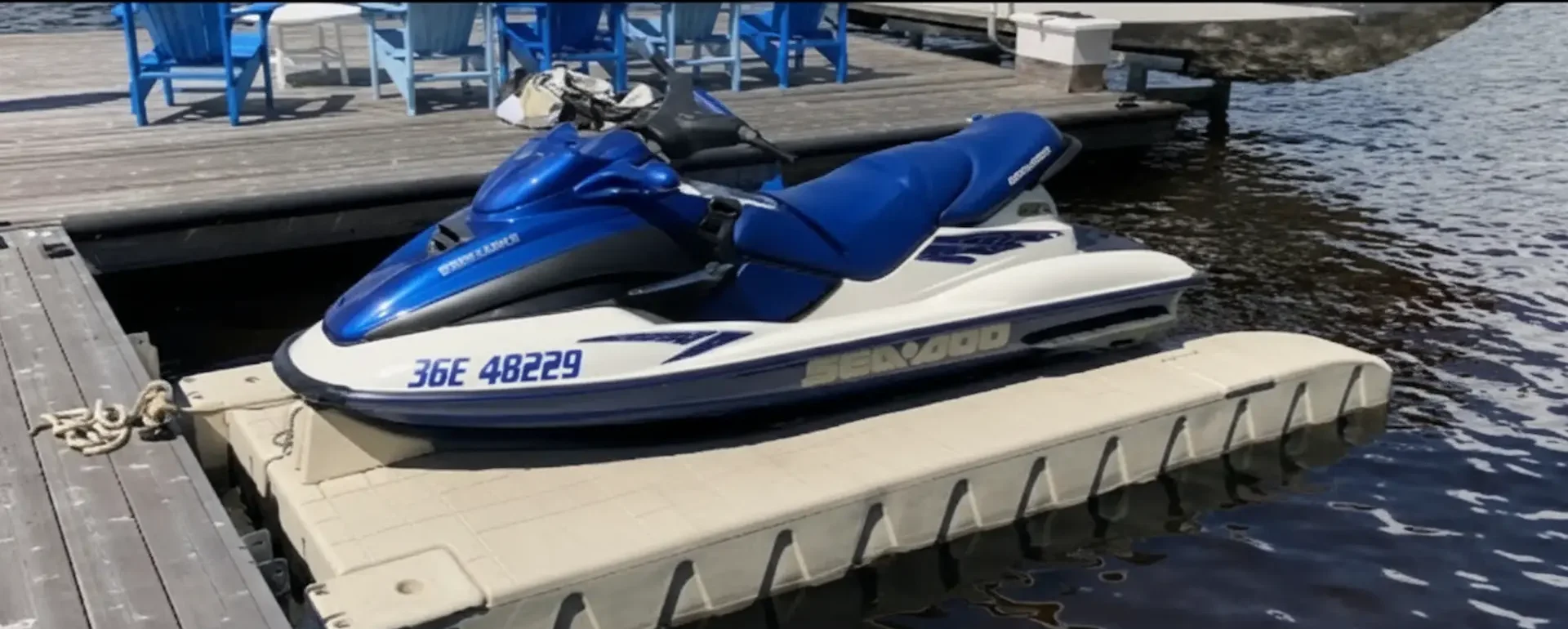
Wave Armor’s foam‑filled rotomolded modules prioritize permanent buoyancy and structural stiffness. EZ Dock uses lighter LLDPE panels, often with recycled content, which lowers weight but allows more panel flex. In active wave conditions, foam‑filled Wave Armor modules typically retain shape and buoyancy better, while panel systems flex more—acceptable for protected waters. Roller strategies differ: Wave Armor offers adjustable rollers and drive‑on comfort; EZ Dock emphasizes self‑adjusting roller solutions and sustainability. Installation and adaptability vary too—Wave Armor’s H‑Beam supports heavier configurations but requires precise assembly; EZ Dock panels often assemble more simply. Match the system to your site exposure and maintenance priorities when weighing this jet ski docks comparison.
Jet Dock & Candock Alternatives: A Jet Ski Docks Comparison with Wave Armor
Jet Dock is known for drive‑on ports and many small modules that make phased installs and DIY updates straightforward. Candock focuses on interlocking cubes with wide accessory compatibility and adjustable wheels. Jet Dock appeals where drive‑on ease and a proven track record matter; its geometry suits some shallow travel lanes. Candock lets you build unusual layouts and replace individual cubes quickly, which helps in variable tidal areas or temporary setups. Wave Armor stands out where permanent buoyancy and storm resilience are priorities. In short: choose Wave Armor for durability and storm performance; choose panel or cube systems for sheltered sites or tighter budgets—this is the practical jet ski docks comparison to guide that choice.
Wave Armor Jet Ski Docks Models: Matching Needs with a Comparison
Wave Armor offers multiple PWC port models for single users, multi‑PWC clusters, additional walk‑around space, or heavier craft. Matching model features to your use case balances cost, performance, and installation complexity. The table below compares common Wave Armor models by walk‑around room, recommended water conditions, weight capacity, typical use, and approximate price band to help guide your jet ski docks comparison.
| Model Name | Walk-around Space | Ideal Water Conditions | Weight Capacity | Typical Use Case | Approx. Price Range |
|---|---|---|---|---|---|
| Pro Port 5′ | Generous walk‑around | Moderate to exposed | Standard PWC loads (~1,000 lbs) | Single recreational PWC; easy boarding | Mid |
| Pro Port 6′ | Extra walk‑around | Exposed coastal & tidal | Higher stability (~1,200 lbs) | Frequent boarding; touring craft | Mid–premium |
| Pro Wide Body | Wide boarding surface | Calm to moderate | Larger or dual PWC (~1,500 lbs) | Bigger PWCs / accessibility focused | Premium |
| SLX | Compact footprint | Protected waters | Standard PWC (~1,000 lbs) | Tight slips; budget‑minded buyers | Budget–mid |
That chart makes it easier to match a Wave Armor port to your needs — from compact SLX units for narrow canals to Wide Body modules for larger craft or more comfortable boarding. Short model summaries below highlight what sets each one apart in this jet ski docks comparison.
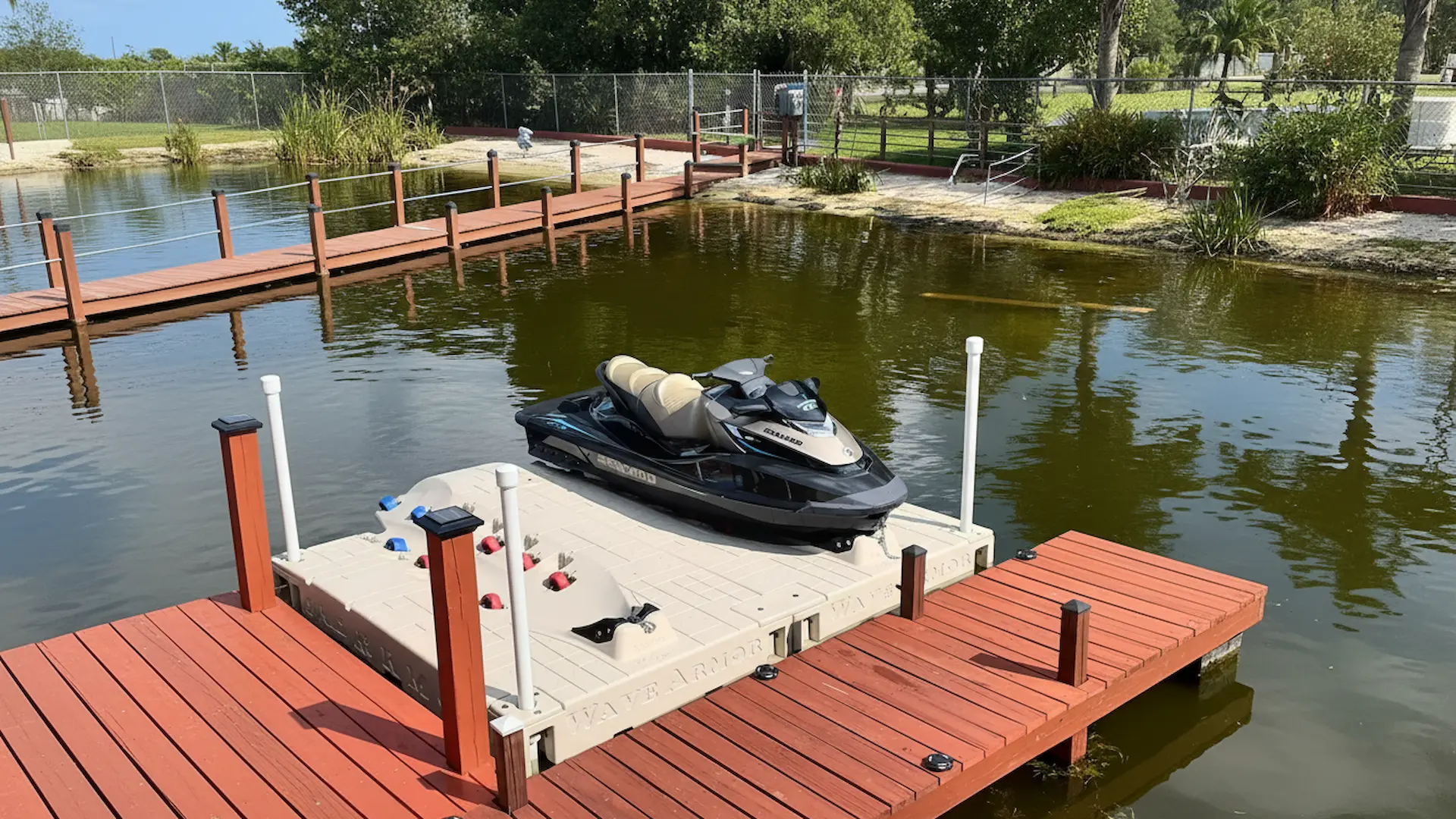
Distinguishing Features: Pro Port, SLX, and Wide Body Jet Ski Docks
The Pro Port family emphasizes walk‑around access, heavy H‑Beam connections, and flexible roller placement to protect hulls and simplify boarding. The SLX is the compact, value‑focused option for tight slips and secondary docks. The Wide Body adds lateral space for larger PWCs, passengers, or owners who prioritize stability when docking. Roller layouts differ: Pro Ports typically include more adjustable rollers to match hull profiles, while the SLX uses a simpler roller pattern to keep cost and complexity down. Match model width and roller geometry to your PWC hull and local conditions for the best long‑term fit in this jet ski docks comparison. Consider adding Wave Armor accessories for extra functionality.
Jet Ski Docks Model Variations: Performance and Pricing Comparison
Size, roller complexity, and accessory options drive both performance and installed cost. Larger models with more walk‑around area and beefier construction need more material and higher shipping/installation effort, which raises price. Compact models like the SLX lower upfront cost but can limit convenience and future flexibility. Installation factors — site access, shoreline slope, and required anchoring or pilings — often affect total project cost more than the module price itself. When budgeting, include accessories (bow stops, custom rollers) and site prep. Thinking in lifecycle value—not just initial MSRP—leads to smarter long‑term decisions for your jet ski docks.
Wave Armor Jet Ski Docks: Ideal for Southwest Florida’s Marine Environment
Wave Armor fits Southwest Florida well because its materials resist saltwater corrosion, its foam‑filled modules handle surge, and UV‑stabilized surfaces withstand strong sun. Those design choices address common regional challenges—salt spray, hurricane‑driven waves, and intense UV—reducing maintenance and downtime for your jet ski docks. The modular coupling also makes reconfiguration or seasonal removal straightforward ahead of severe weather. Still, buyers should factor permitting and shoreline specifics into planning; the next sections explain how Wave Armor handles local stressors and outline typical permitting points for jet ski docks.
Wave Armor Jet Ski Docks: Withstanding Saltwater, Hurricanes, and UV Exposure
Wave Armor’s rotomolded polyethylene shells, closed‑cell foam cores, and corrosion‑resistant hardware work together to limit saltwater intrusion, preserve buoyancy after impact, and reduce fatigue from repeated wave action. Closed‑cell foam prevents water absorption that could add weight and reduce flotation during storms, while UV stabilizers help the surface resist chalking and color loss. In hurricane‑force conditions, the modules’ buoyancy and the H‑Beam’s load distribution lower the chance of total loss—though severe events can still cause damage that needs inspection and repair. Regular post‑storm checks and prompt replacement of damaged rollers or hardware keep performance reliable for your jet ski docks.
Local Regulations & Permitting for Jet Ski Docks in Southwest Florida
Permitting in Southwest Florida typically involves county or municipal coastal management, environmental resource permits, and sometimes state approvals depending on shoreline type and nearby habitats. Common requirements include setbacks, seagrass and shoreline impact reviews, and rules for anchoring or piling to protect littoral zones. Contact local permitting offices early in your project. MacDuff Marine assists customers with permitting guidance, site assessments, and documentation to smooth approvals and reduce delays. Knowing these permitting steps shortens the path to a clean installation schedule for your jet ski docks.
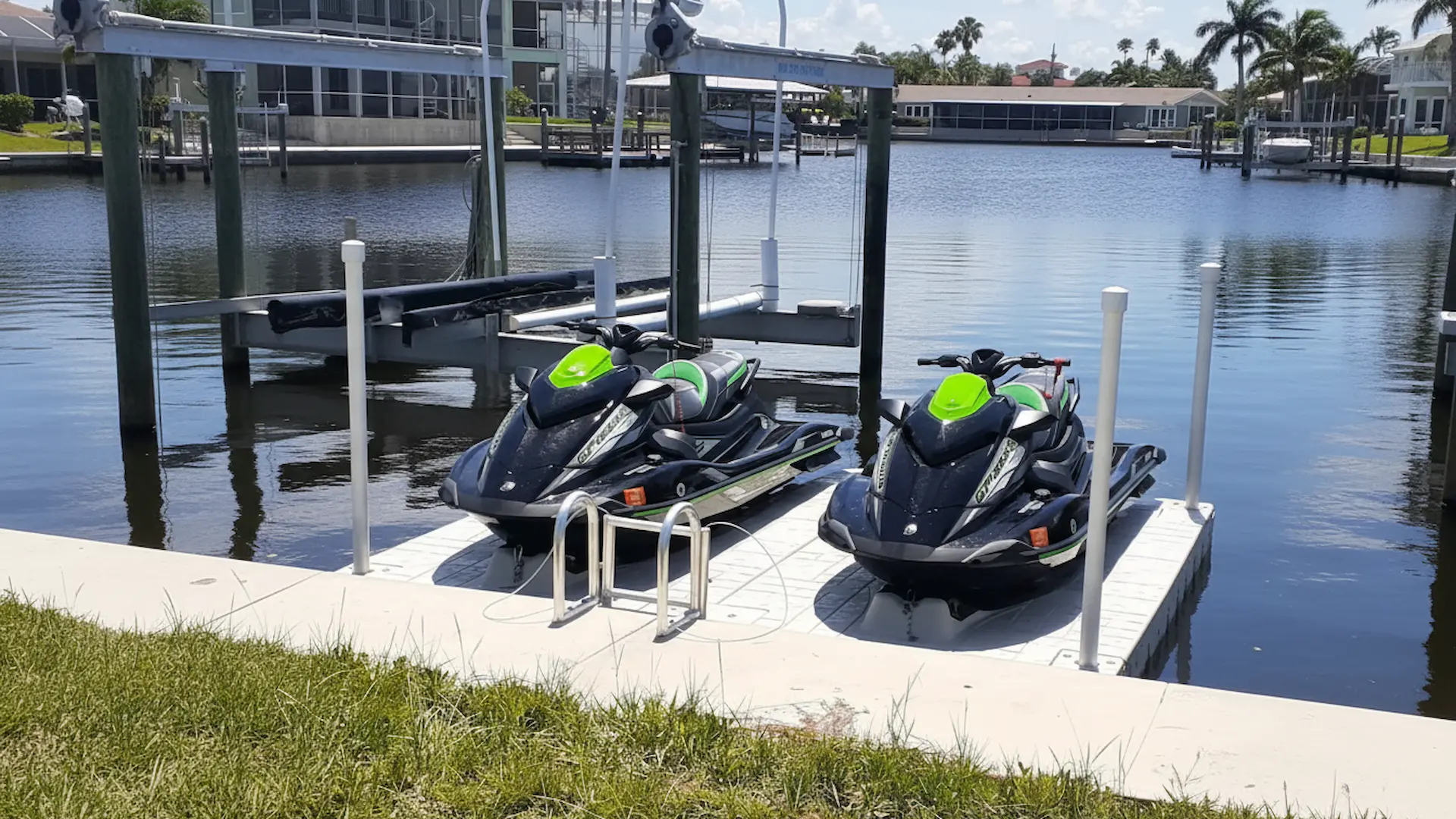
Installation & Maintenance for Wave Armor Jet Ski Docks
Installing Wave Armor involves a site evaluation, module assembly, precise roller alignment, and secure anchoring or pilings when required. Maintenance focuses on periodic roller checks, hardware inspection, and surface care. Installation complexity depends on shoreline access, water depth, and permits; some homeowners can complete straightforward assemblies, but professional installation ensures correct alignment and preserves warranty coverage for your jet ski docks. Routine tasks include inspecting rollers and couplers after storms, rinsing salt buildup when practical, and checking bow stops and non‑slip surfaces for wear. The table below shows common tasks, typical time/cost expectations, and MacDuff Marine services to help plan the project.
| Task | Typical Time / Cost | MacDuff Marine Service Offerings |
|---|---|---|
| Site assessment & permit assistance | 1–2 days / variable permit fees | On‑site evaluation and permitting guidance |
| Module assembly & coupling | 1–3 days (site dependent) | Professional installation and alignment |
| Roller setup & hull fitting | Several hours per port | Roller configuration and test loading |
| Post‑storm inspection & repair | 1 day per incident / parts cost | Same‑day local service options and repairs |
This installation and maintenance overview shows where professional services add value and where owners should budget time or money. Below we weigh DIY versus professional installation to help you decide.
DIY vs. Professional Installation for Wave Armor Jet Ski Docks
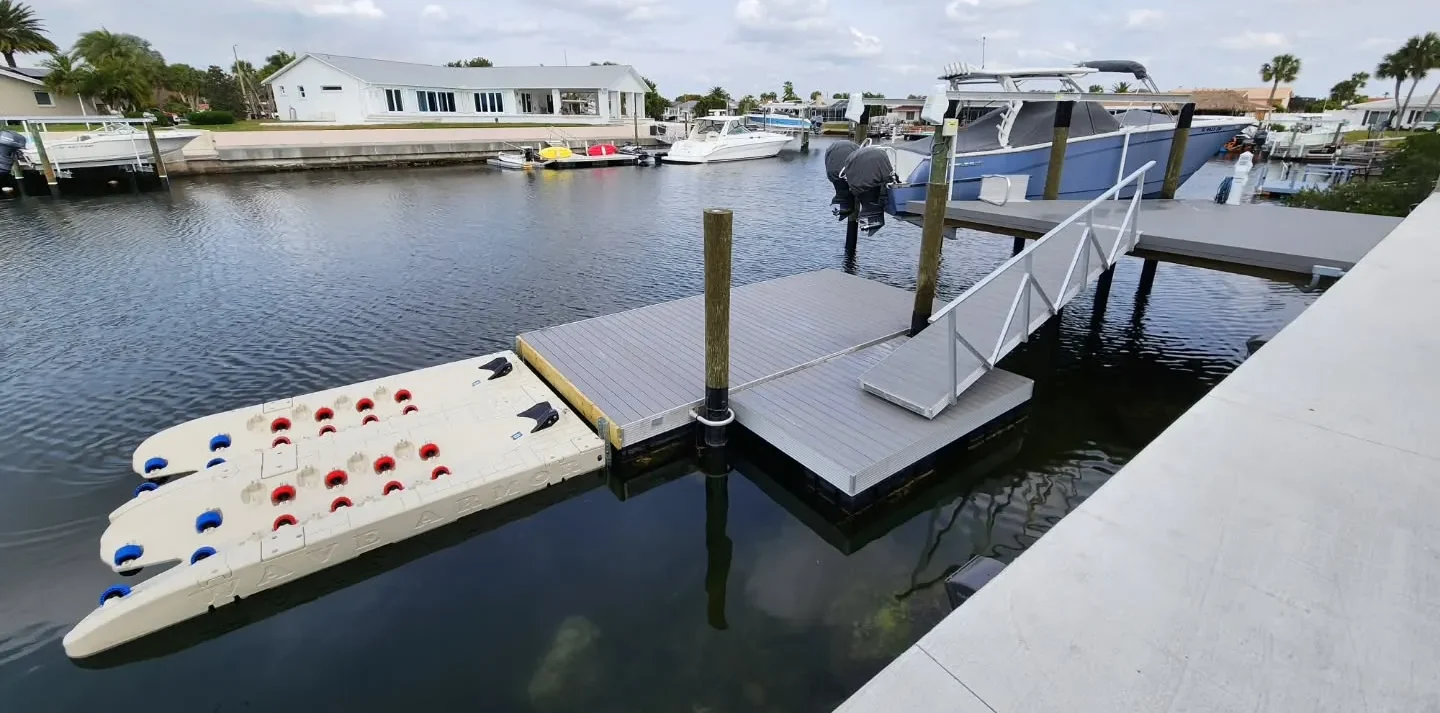
Some Wave Armor components can be installed by experienced DIYers, but we recommend professionals for site evaluation, permitting, and complex anchoring to protect safety and warranty coverage. DIY can save labor if you have marine construction experience and proper equipment, but it requires accurate roller alignment, correct coupler torque, and familiarity with local shoreline rules. Professional crews reduce the risk of improper installation that could void warranties or cause premature wear; they also handle heavy modules and tricky logistics faster. For many Southwest Florida properties exposed to tides and storm surge, professional installation provides peace of mind and a faster, code‑compliant outcome for your jet ski docks.
- DIY installation considerations: Requires tools for heavy lifting and precise alignment. Best for protected sites with easy access and simple anchoring. Risk of voiding warranty if manufacturer specs aren’t followed.
These points lead into warranty and maintenance comparisons with competitors.
Wave Armor Jet Ski Docks: Maintenance & Warranty Comparison
Wave Armor typically ships PWC ports with an eight‑year manufacturer warranty that covers materials and structural performance; some local dealers quote longer terms on certain lift products. Competing brands vary—some offer lifetime coverage on specific components, while others provide shorter or part‑only warranties. Across brands, common maintenance items include roller replacement, hardware checks, and surface care; Wave Armor’s foam fill reduces the risk of buoyancy loss, cutting down a frequent maintenance concern for jet ski docks. To preserve warranty coverage, follow manufacturer installation and maintenance instructions and document any professional services—something local installers can help manage.
MacDuff Marine Support for Your Wave Armor Jet Ski Docks Purchase & Service
MacDuff Marine is an authorized Wave Armor dealer offering local sales, installation services, permitting help, and warranty support across Southwest Florida. We serve Lee, Charlotte, Sarasota, Collier, DeSoto, and Polk counties with on‑site evaluations, same‑day local service when feasible, flexible scheduling, and a price‑beat policy that beats any written estimate by $150. MacDuff Marine is also Florida’s exclusive QABL boat lift distributor and coordinates Wave Armor warranty claims, acting as your single point of contact for purchase, installation, and aftercare for your jet ski docks.
MacDuff Marine services include:
- Sales guidance and product selection for Wave Armor PWC ports and accessories.
- Professional installation: module assembly, roller alignment, and site stabilization.
- Permitting support and local regulatory guidance for Southwest Florida jurisdictions.
- Warranty coordination and post‑storm inspections with rapid local response when possible.
These services help buyers move smoothly from selection through installation and warranty management. The section below outlines what to expect when you request an estimate.
MacDuff Marine Expertise & Services for Jet Ski Docks in Southwest Florida
MacDuff Marine provides end‑to‑end Wave Armor support: in‑field assessments, tailored layouts using the H‑Beam system, permitting assistance, and warranty coordination. We cover Lee, Charlotte, Sarasota, Collier, DeSoto, and Polk counties and offer same‑day local service windows and flexible scheduling to work around weather and owner needs. Because we also distribute QABL boat lifts in Florida, we can provide integrated dock and lift packages (integrated dock and lift solutions) when customers need both PWC ports and lift systems. That local experience reduces friction and helps ensure installations meet manufacturer specs and regional rules for your jet ski docks.
Requesting Estimates & Personalized Advice for Jet Ski Docks
To request an estimate, send basic site details, preferred models, and available scheduling windows. We follow with a site visit to measure shoreline slope, water depth, and access logistics, then deliver a tailored quote. Our process is straightforward: initial contact and site scoping, permit and scope review, detailed estimate, and final scheduling—with same‑day local service when conditions allow. Providing shoreline photos and approximate water depths speeds the estimate; our team handles permitting guidance and warranty registration after installation.
- Initial Inquiry: Share site photos and preferred models.
- Site Visit: Professional measurement and permitting review.
- Quote & Scheduling: Receive a detailed estimate and timeline.
- Installation & Warranty: Professional install with warranty coordination.
Following these steps keeps decisions clear and helps avoid surprises during installation, making the move from research to ownership predictable for your jet ski docks.
Frequently Asked Questions
Expected Lifespan of Wave Armor Jet Ski Docks?
Wave Armor docks are built for long service life—most installations last 15–20 years depending on environment and care. The rotomolded polyethylene and foam‑filled construction resist saltwater damage and UV exposure. Regular upkeep like roller and hardware checks will extend life, and the manufacturer’s typical 8‑year warranty reflects their confidence in materials and performance.
Customizing Wave Armor Jet Ski Docks for Different Water Conditions?
Yes. The modular design lets you adapt layouts for water depth, wave action, and shoreline shape. You can add or remove sections, include walk‑around platforms, or expand a cluster of ports as needs change. That flexibility is especially helpful where water levels or seasonal conditions fluctuate.
Required Maintenance for Wave Armor Jet Ski Docks?
Routine maintenance includes inspecting rollers and coupling hardware (especially after storms), rinsing salt deposits when practical, and checking non‑slip decking and bow stops for wear. Periodic roller alignment ensures a proper hull fit. Doing these simple tasks reduces repair needs and keeps the dock performing well.
Choosing the Right Wave Armor Jet Ski Docks Model for Your Needs?
Choose based on the number of PWCs, local water conditions, and how you board the craft. Pro Port models offer generous walk‑around space; SLX fits tight slips and budgets; Wide Body provides more lateral room for larger PWCs or easier boarding. Consult a local dealer for a recommendation matched to your shoreline and usage.
Advantages of Professional vs. DIY Installation for Jet Ski Docks?
Professional installation ensures correct roller alignment, secure anchoring, and compliance with local regulations—factors that protect warranty coverage and long‑term performance. Pros also handle heavy modules and complex site logistics faster. DIY can work for experienced owners on protected sites, but for exposed Florida properties, professional installs are often the safer, more reliable choice.
Local Regulations for Installing Jet Ski Docks?
Yes. Requirements vary by county and may include setbacks, seagrass impact reviews, and piling or anchoring rules. Check with local coastal management or permitting offices early. Working with a local dealer like MacDuff Marine simplifies permitting because we provide site assessments and documentation support.
What to Do if Your Wave Armor Jet Ski Docks are Damaged During a Storm?
After it’s safe, inspect the dock for structural damage, broken rollers, or hardware issues. Contact a local dealer or installer for a professional assessment and repairs. Regular post‑storm inspections are important to restore safe operation and prevent further damage.