
Picking the right dock style changes how you use your waterfront—better boat access, more time on the water, and stronger resale value. Cape Coral homeowners often want plain answers about the many Cape Coral dock building styles.
This guide breaks down fixed, floating, and pile docks, compares common materials, highlights key design and permitting issues, lays out cost expectations, reviews lift and PWC options, and gives practical maintenance tips. Drawing on MacDuff Marine’s decades of local experience building custom docks and installing boat lifts, you’ll get clear, usable guidance to choose, permit, build, and care for the right dock for your Southwest Florida canal or bayfront.
In this guide we’ll cover:
Core dock types and the shapes homeowners favor
Material durability and upkeep considerations
Design drivers such as water depth, stability, and anchoring
Lee County and FDEP permitting steps and where professional help speeds the process
Budget benchmarks for docks, lifts and PWC systems
Value-add features: lifts, lighting, and practical accessories
A seasonal maintenance checklist and common repair triggers
Read on to increase waterfront enjoyment and protect your property value with confidence.
What Are the Right Dock Styles Used in Cape Coral?
The dock style you choose determines how you reach open water, secure your boat, and use your shoreline. Whether you select fixed, floating, or pile systems depends on canal depth, water-level change, and intended use. Fixed docks give rock-solid stability for heavier craft; floating docks move with the water to reduce stress on structure. Understanding these core dock styles makes it easier to compare materials and longevity in the sections that follow.
What Makes a Fixed Dock and When Is It the Right Choice?
A fixed dock is a permanent deck supported by pilings driven into the seabed. It delivers high load capacity and steady footing—ideal when water levels are stable and you need dependable berthing for large yachts or heavy fishing boats.
Key attributes include:
Fixed Dock → Stability → High
Fixed Dock → Load Capacity → 10,000+ lbs
Fixed Dock → Water Adaptability → Static
Benefits: Solid platform, minimal movement, easy boarding. Considerations: Requires deeper pilings and a larger upfront investment.
Because fixed docks are so stable, they’re often chosen for permanent boat lifts and larger vessels. For locations with changing water levels, floating systems are typically the better fit.
How Do Floating Docks Handle Cape Coral’s Water Conditions?
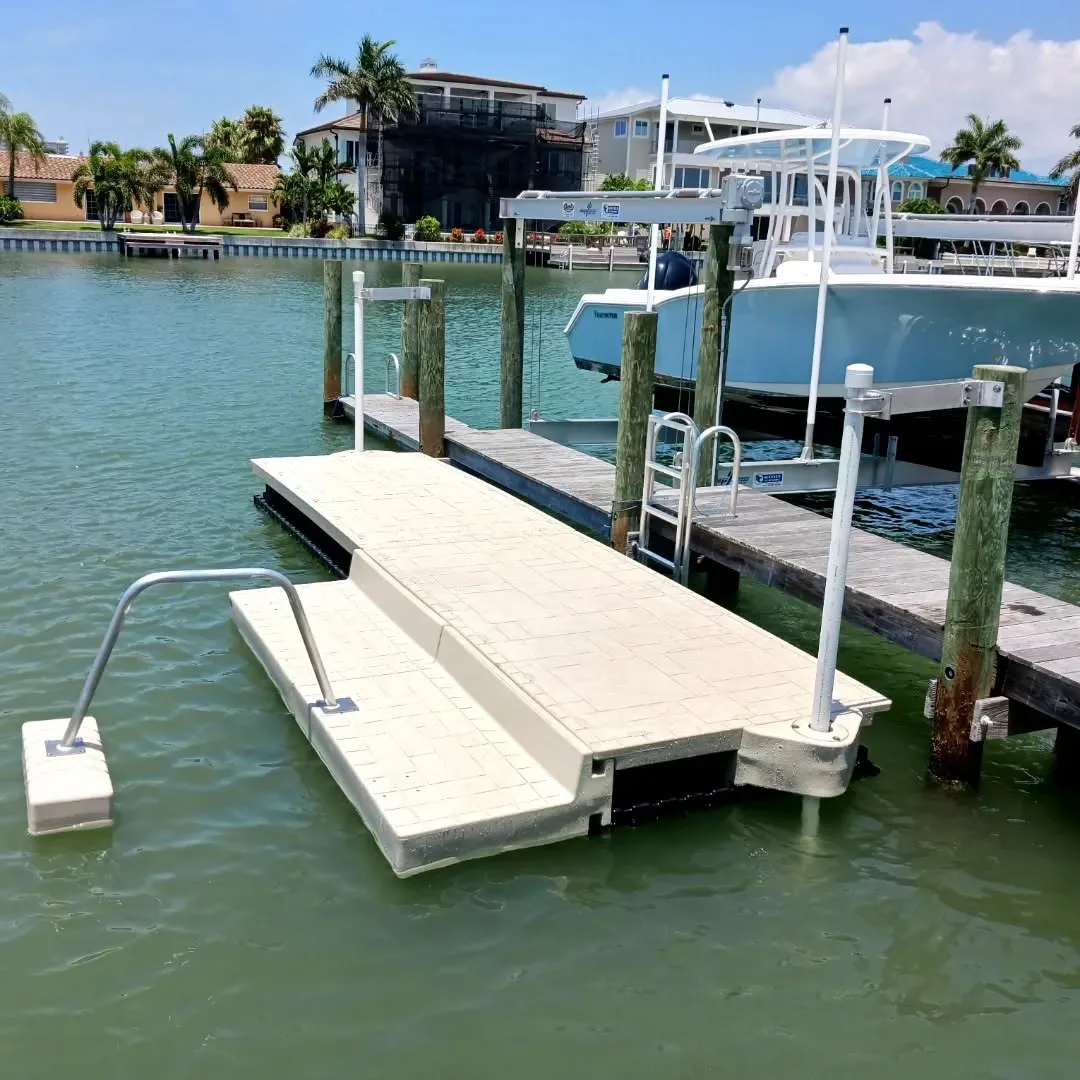
Floating docks sit on buoyant pontoons and rise and fall with the water, reducing stress on pilings and deck connections. That movement helps during regular tidal shifts and can lessen damage during storm surge events in Cape Coral.
Floating docks improve year-round use by:
- Keeping deck height consistent for safer boarding
- Reducing strain on fixed supports during tidal swings
- Allowing seasonal removal or reconfiguration for changing needs
With corrosion-resistant floats and modular layouts, floating docks are a flexible alternative to fixed platforms—especially when used with the right anchoring systems described below.
What Are Pile Docks and Why Choose Them?
Pile docks are a form of fixed dock that depend on vertical pilings—commonly treated pine, steel, or concrete—to secure the platform to the seabed. They offer strong stability in rough canals and tend to perform well in saltwater environments.
- Entity → Attribute → Value: Pile Dock → Anchor Method → Driven PilingsPile Dock → Durability → 30+ yearsPile Dock → Maintenance → Periodic inspection
- Benefit: Minimal lateral movement; excellent for heavy lifts
- Example: A MacDuff Marine pile dock in Cape Coral using 12″ treated pine pilings has supported vessels over 15,000 lbs for more than 20 years.
Pile docks share many advantages of fixed docks but focus on deep anchoring rather than buoyancy.
Which Dock Shapes Are Common in Cape Coral?
Dock shape affects maneuvering, usable space, and curb appeal. Common layouts in Cape Coral include:
- L-Shaped Docks — maximize canal frontage
- T-Shaped Docks — provide dual berths and extra platform area
- Standalone Docks — simple footprint for single boats on narrow lots
- Attached Docks — built off existing seawalls or bulkheads
Key shape attributes:
| Shape | Attribute | Value |
|---|---|---|
| L-Shaped | Boat Access | Side-by-side docking |
| T-Shaped | Platform Area | Expanded seating and fishing zone |
| Standalone | Footprint | Minimal canal intrusion |
| Attached | Construction Ease | Built directly off existing seawall |
Choose shape based on lot layout and vessel size—then move into material decisions that affect performance under Florida’s sun and saltwater exposure.
How Do Dock Materials Compare for Durability and Maintenance in Cape Coral?
Your choice of materials shapes lifespan, upkeep, and long-term cost for any dock style. From traditional pressure-treated wood to modern composites, each option balances initial price against durability, UV resistance, splinter control, and environmental impact. Knowing these trade-offs helps you pick a deck that suits Cape Coral’s marine climate and your lifestyle.
Pressure-Treated Wood vs. Composite Decking: Pros and Cons
Pressure-treated wood and composite decking are two popular marine-grade surfaces with different maintenance needs and service lives.
Below is a structured comparison:
| Entity | Attribute | Value |
|---|---|---|
| Pressure-Treated Wood | Maintenance | Annual sealing and staining |
| Pressure-Treated Wood | Durability | 15–20 years |
| Composite Decking | Maintenance | Occasional washing, no sealing required |
| Composite Decking | Durability | 25–30 years |
Dock Material Durability:
Material lifespans vary: pressure-treated wood commonly lasts 15–20 years, while composite decking often reaches 25–30 years. That gap matters when you compare initial cost versus long-term maintenance and replacement cycles.
American Wood Protection Association, Wood Preservation Statistics (2023)
Pressure-treated wood offers a classic look and lower upfront cost but needs regular sealing to avoid rot. Composite decking resists fading and splinters and cuts maintenance—see our best composite decking for docks guide for product options. Over time, composites can deliver better ROI by reducing upkeep.
Why Consider PVC or Aluminum in Florida’s Marine Environment?
PVC and aluminum resist corrosion and water damage better than many wood-based surfaces. Homeowners often specify:
- PVC Decking — low heat gain, chemical inertness, and fade resistance
- Aluminum Framework — lightweight strength, minimal expansion, and excellent saltwater tolerance
Eco-Friendly, Long-Lasting Material Options
If sustainability matters, several durable choices balance environmental impact with long service life:
- Recycled Composite Decking made from reclaimed plastics and wood fibers
- Ipe (Brazilian Hardwood) prized for natural rot and insect resistance
- Marine-Grade PVC formulated without harmful leachates
Choosing eco-conscious materials helps protect shoreline habitats and reduces replacement frequency.
How Does Heat Retention Affect Polyethylene Floating Docks?
Polyethylene floats can absorb solar heat, raising surface temperatures on hot Florida days. High deck heat can:
- Raise surface temperature by 20–30°F
- Make temporary shading or lighter deck colors desirable
- Affect comfort and cause minor material expansion
Knowing how floats handle heat helps you pick float color and plan shading or shade structures—next, we’ll cover design details that keep your dock safe and stable.
Key Design and Construction Considerations for Cape Coral Docks
Successful dock builds—no matter the style—depend on site details like water depth, canal conditions, anchoring options, and whether you want a modular system. Addressing these factors early reduces delays, surprises, and permit issues.
How Do Water Depth and Stability Affect Fixed Dock Design?
Fixed dock designs must account for minimum water depth under the deck and expected tidal movement.
Key elements to consider:
- Deck Height — typically 12–18″ above the high-water mark
- Piling Length — commonly extends 3–5′ below the mudline
- Load Distribution — sized to support heavy boat lifts and gear
Accurate depth surveys and soil testing prevent settlement and ensure long-term performance, which in turn informs anchoring choices for floating docks.
Which Anchoring Systems Work for Floating Docks in Cape Coral?
Floating docks need anchoring that allows vertical movement while holding lateral position. Common approaches include:
- Deadweight Blocks buried in mud or sand
- Screw Anchors drilled into the substrate for higher pull-out resistance
- Ring Bolts and Anchor Lines that allow flexible positioning
Each option balances installation effort, cost, and holding strength—choose based on site conditions and expected loads.
How Do Modular Floating Dock Systems Add Flexibility?
Modular floating docks use interlocking float sections that simplify installation, expansion, and seasonal removal—making them a very adaptable dock choice.
- Quick Installation — bolt-together panels speed the build
- Custom Layouts — configure swim platforms, PWC bays, or work areas
- Ease of Repair — replace single modules rather than the whole dock
Modular systems let homeowners change dock footprint and function without full reconstruction—next up is the permitting you’ll need to start the job.
Permitting Requirements and Regulations for Building Docks in Cape Coral
Building any dock in Lee County means working with multiple agencies to protect coastal habitat and maintain navigable waterways. Skipping permits can result in fines or forced removal—so getting approvals right from the start is essential.
Which Agencies Oversee Dock Construction in Lee County and Florida?
Common permits for Cape Coral docks come from:
- Florida Department of Environmental Protection (FDEP) — environmental resource permits and coastal rules
- U.S. Army Corps of Engineers (USACE) — permitting for work in navigable waters
- Lee County Department of Community Development — local zoning and building approvals
Each agency has rules about wetland impacts, seawall connections, and shoreline setbacks that must be followed.
Permitting Requirements for Waterfront Construction
Dock projects in Lee County typically require permits from the Florida Department of Environmental Protection (FDEP), the U.S. Army Corps of Engineers (USACE), and the Lee County Department of Community Development. These agencies set rules to protect coastal habitats and navigable waterways.
Florida Department of Environmental Protection, Permitting Information (2024)
How Does the Dock Permit Application Process Work in Cape Coral?
The permit process usually follows these steps:
- Site Survey & Application — submit location and design plans to Lee County
- Agency Review — FDEP and USACE evaluate environmental compliance
- Public Notice & Comments — nearby property owners may review plans
- Permit Issuance — after conditions are met and fees paid
- Pre-Construction Inspection — and final approval once work is finished
Coordinating early with agencies and your contractor speeds approvals and avoids costly delays.
Common Permit Challenges and How MacDuff Marine Helps
Typical permit hurdles include missing environmental data, setback variances, and incomplete fill calculations. MacDuff Marine eases the process by:
- Preparing accurate survey maps and habitat assessments
- Working directly with FDEP, USACE, and county staff
- Modifying designs to meet setback, shading, and environmental requirements
Our local permitting experience shortens approval time and keeps projects compliant.
How Much Does It Cost to Build and Maintain Each Dock Style in Cape Coral?
Dock budgets vary with chosen style, materials, site conditions, and add-ons. Knowing the main cost drivers helps you plan realistically and avoid surprises.
What Drives Cost Differences Between Fixed and Floating Docks?
Cost differences come down to:
- Foundation Method — pilings for fixed vs. flotation units for floating
- Material Choice — wood, composite, aluminum, or concrete
- Labor & Equipment — piling rigs versus float assembly
- Permit and Engineering Fees
| Entity | Attribute | Value Range |
|---|---|---|
| Fixed Dock | Installation Cost | $25–$60 per sq ft |
| Floating Dock | Installation Cost | $20–$45 per sq ft |
| Permit Fees | Regulatory Expense | $1,000–$3,500 total |
Use these estimates for early budgeting and to guide structural and anchoring choices.
How Do Materials Affect Long-Term Maintenance Costs?
Materials determine maintenance frequency:
- Pressure-Treated Wood: annual sealing and occasional board replacement
- Composite Decking: wash every 6–12 months, minimal repairs
- Aluminum Framework: periodic corrosion checks and pressure washing
Comparing long-term costs helps justify higher-grade materials for Florida’s conditions.
Typical Costs for Boat Lifts and Jet Ski Installations
Popular upgrades include:
- Standard Boat Lift: $8,000–$18,000 depending on capacity and power
- Hydraulic Lift System: $15,000–$25,000 for powered, smooth operation
- Jet Ski Lift or Dock: $4,000–$9,000 including platform and anchoring
Planning these items into your original dock project saves installation time and cost.
How to Enhance Your Dock with Lifts, Jet Ski Solutions, and Accessories
Accessories make your dock safer, more convenient, and more enjoyable. Adding the right lift, PWC solution, and lighting turns a basic platform into a waterfront hub.
Which Boat Lifts Work Best for Cape Coral Docks?
Choose a lift based on boat size and how you use the vessel:
- Cradle Lifts — steady hull support and easy boarding
- Hydraulic Lifts — powerful, smooth lifting for larger yachts
- PWC (Jet Ski) Lifts — compact lifts tailored to personal watercraft
We install lifts to integrate cleanly with your deck framing and pilings for safe, reliable operation.
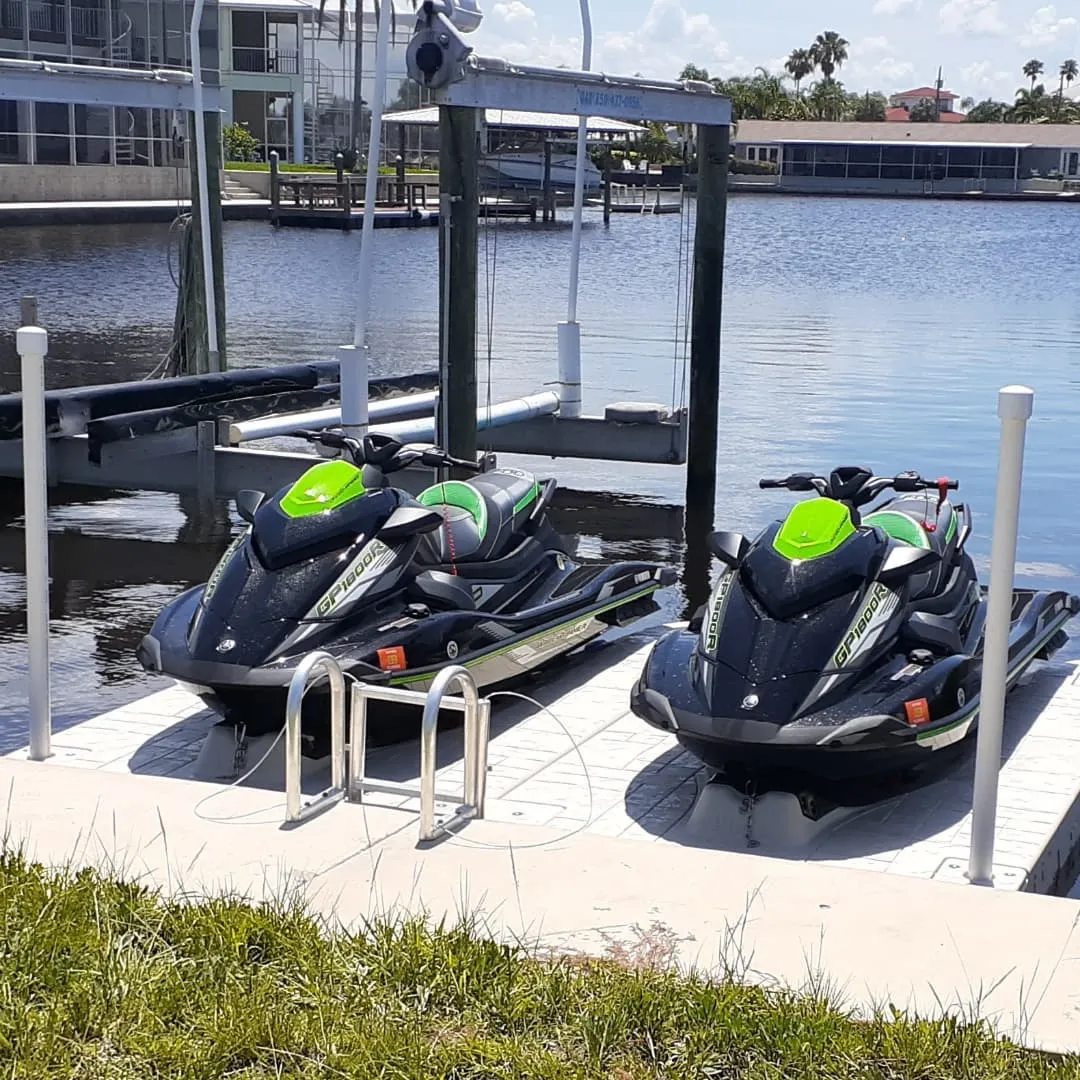
Best Jet Ski Dock Options for Waterfront Properties
PWC docks typically pair a small float or ramp with easy boarding features and are anchored using:
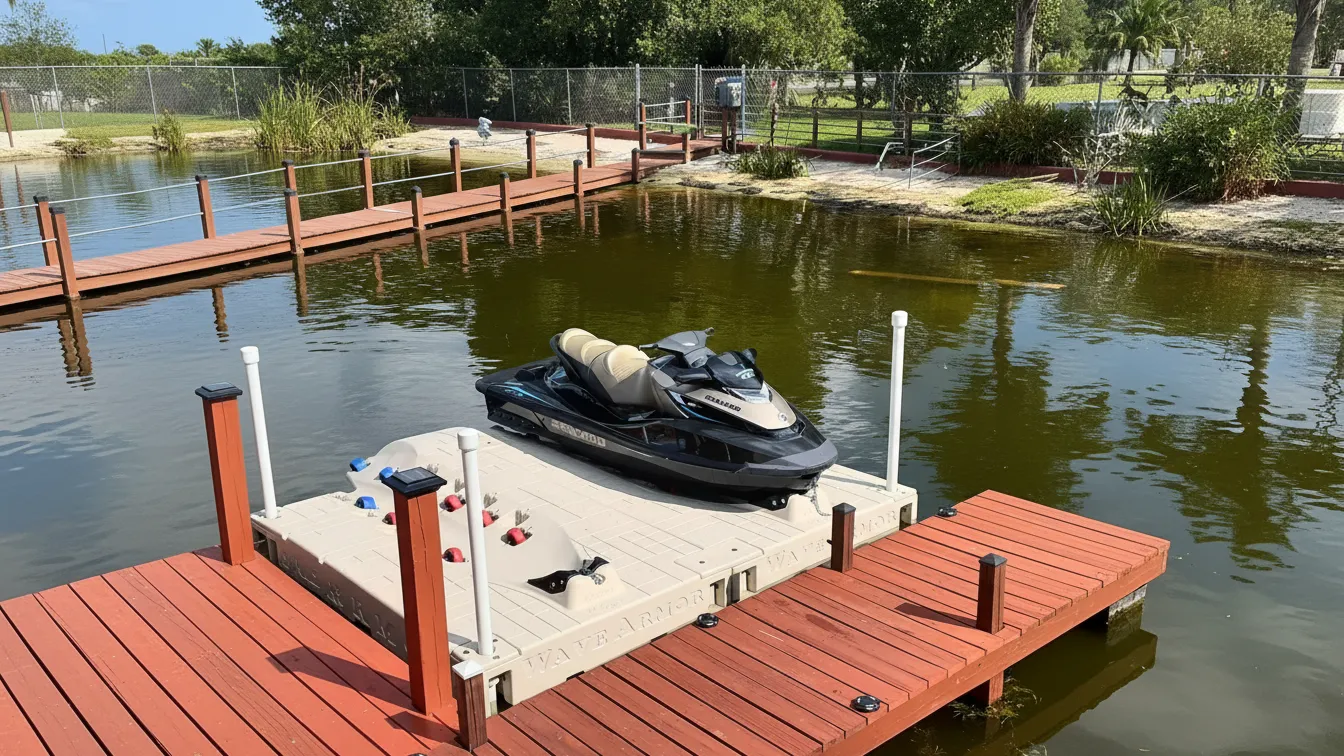
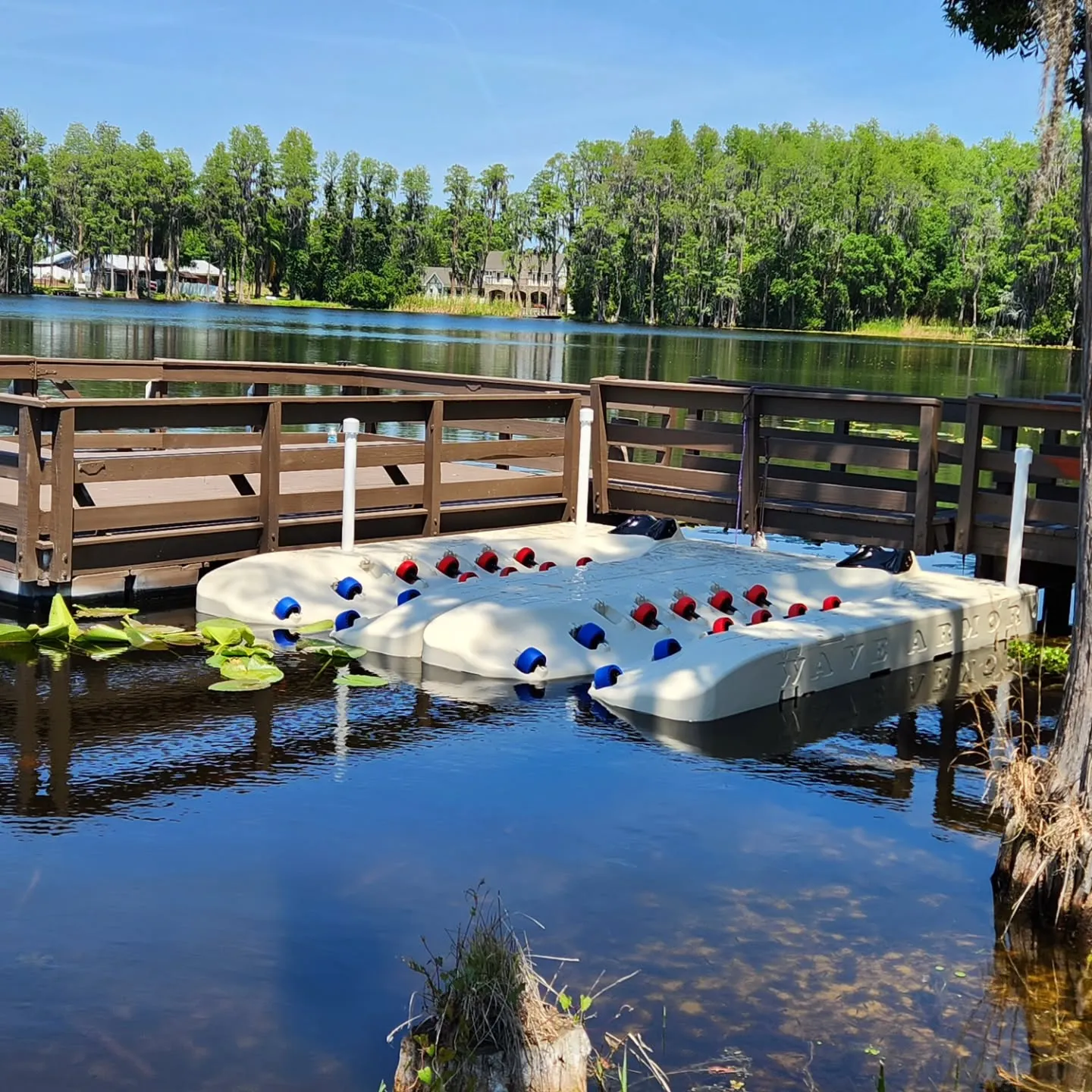
- Wave Armor modular floats for quick removal
- Fixed plywood platforms on shallow slopes for simple launches
- Rollaboard tracks that let you roll a PWC onto the dock
These solutions protect PWC hulls and speed launch and retrieval.
How Do Dock Lighting and Accessories Improve Safety and Use?
LED dock lighting, cleats, bumpers, and handrails increase safety and functionality:
- LED Post Lights — better night visibility and curb appeal
- Non-Slip Cleats & Strips — reduce slips and falls
- Fender Bumpers — protect hulls during docking
These upgrades support safer navigation and make your dock more enjoyable day and night.
How to Maintain and Repair Your Dock for Maximum Lifespan in Cape Coral
Regular maintenance and prompt repairs protect your dock from sun, salt, and storms. A proactive plan extends service life and protects your investment.
Annual Maintenance Tasks for Wood and Composite Docks
Each year, be sure to:
- Pressure wash decking and floats to remove algae and grime
- Inspect and tighten fasteners, brackets, and bolts
- Reseal wood decks and treat exposed pilings
- Clean composite boards with manufacturer-recommended cleaners
Routine checks prevent minor wear from turning into major repairs.
When to Repair and What Services Are Available
Repair is necessary when you notice:
- Wood rot or splintering on deck boards
- Float degradation or water intrusion in pontoons
- Loose or bent pilings that compromise stability
MacDuff Marine provides dock restoration services including plank replacement, float refurbishment, and piling reinforcement to return your dock to safe use.
How Regular Maintenance Extends Dock Life in Florida’s Climate
Consistent upkeep reduces UV damage, slows saltwater corrosion, and keeps the structure aligned across all dock styles. In Southwest Florida, the relentless sun and high salinity can degrade even the best materials. Addressing small issues early helps docks stay serviceable for decades—protecting your investment and your time on the water.
Routine maintenance also keeps boat lifts, lighting, and accessories working reliably. A well-cared-for dock improves safety, comfort, and property value—it’s central to a waterfront lifestyle.