
Dock construction costs in Florida — especially in Southwest Florida and Cape Coral — cover planning, permits, materials, labor and installation. Local site factors, state and federal coastal regulations, and the need for marine-grade materials make waterfront work different from inland projects, which is why experienced marine services matter.
This guide walks through the main cost drivers and typical price ranges for basic through luxury docks in 2024–2025. We explain dock types, material trade-offs, permitting, labor, common extras like boat lifts and PWC ports, and how those choices affect cost per square foot — then show how to request a local estimate for your dock construction project.
Main Types of Boat Docks and Their Cost Differences
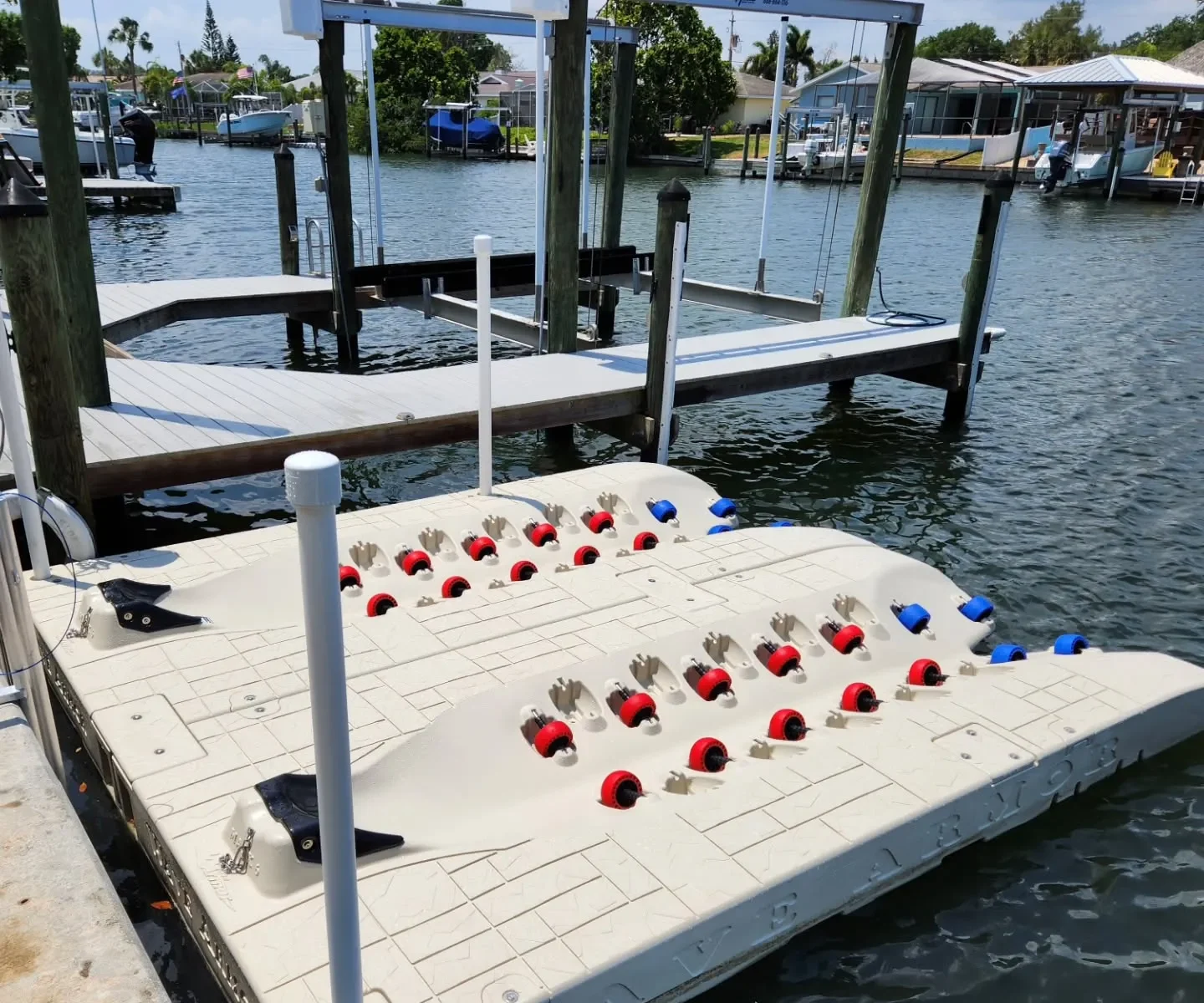
Boat dock types drive both performance and price. Floating docks sit on buoyant modules, adapt to changing water levels, and are generally less costly to install. Piling or fixed docks are driven into the seabed and carry higher upfront costs for equipment and installation, but they deliver greater longevity and load capacity — often needing specialized marine services. Drive-on designs work well in shallow canals or protected waterways and have their own engineering needs that affect cost. Picking the right type early avoids expensive redesigns and permit delays.
Floating docks usually start with a lower cost per square foot because their foundations are simpler, though they may require more frequent maintenance in strong sun and salt. Piling/fixed docks demand pile driving, heavier framing and specialist crews — increasing labor and mobilization — but they’re better for deep water, exposed sites and heavy use, where the higher initial investment often pays off in durability and capacity. Drive-on solutions vary widely based on access and custom engineering.
Impact of Dock Size and Design Complexity on Construction Costs
Size and design complexity are major cost multipliers. Bigger square footage and complex shapes mean more framing, additional piles or flotation, and longer install time. A basic 200 sq ft floating dock is far simpler than a 400 sq ft L-shaped piling dock with a gangway. Corners, widened landings, built-in seating, lighting and lift-ready load zones increase material waste, labor, engineering and permitting. Plan a 10–20% contingency for design or permit-driven changes on your dock construction.
How Dock Building Materials Affect Overall Construction Expenses
Your material choices shape both upfront cost and lifetime expense. Durability and maintenance needs vary greatly under Southwest Florida’s salt and sun. Pressure-treated wood is less expensive up front but needs frequent maintenance and may need replacement sooner. Composite decking costs more initially but lowers yearly upkeep. Aluminum and marine-grade steel framing resist corrosion and extend service life, making them attractive despite higher material costs — an important consideration when hiring marine services. Marine-grade concrete is costly but delivers maximum durability for exposed sites.
This table highlights material trade-offs — upfront cost, expected lifespan, maintenance and how each performs in SWFL — to help you compare short-term expense vs long-term ownership costs.
| Material | Upfront Cost (approx) | Expected Lifespan | Maintenance & SWFL Notes |
|---|---|---|---|
| Pressure-treated wood | Low–Moderate | 5–15 years | Needs staining/sealing; vulnerable to marine borers in saltwater |
| Composite decking | Moderate–High | 15–25 years | Low routine maintenance; UV-stable options perform well in SWFL |
| Aluminum framing/decking | High | 25+ years | Corrosion-resistant; low maintenance but higher material cost |
| Concrete (marine-grade) | High | 30+ years | Very durable for exposed sites; requires more engineering and permits |
Choosing the cheapest material up front can cost more over time in Southwest Florida because of accelerated wear from salt and sun. For long-term savings, factor lifecycle costs — composite and aluminum often reduce maintenance headaches. Reserve concrete for fixed, heavy-load applications in your dock construction.
Premium Products and Material Costs
Premium systems like Wave Armor dock modules and QABL boat lifts affect both upfront price and total ownership cost and are typically installed by specialized marine services. They cost more than generic materials but offer engineered durability, corrosion resistance, faster installs and manufacturer warranties. Those warranties and reduced upkeep can lower lifetime costs and improve resale value. Local marine contractors, including MacDuff Marine, commonly act as authorized dealers, which affects availability, service and warranty support.
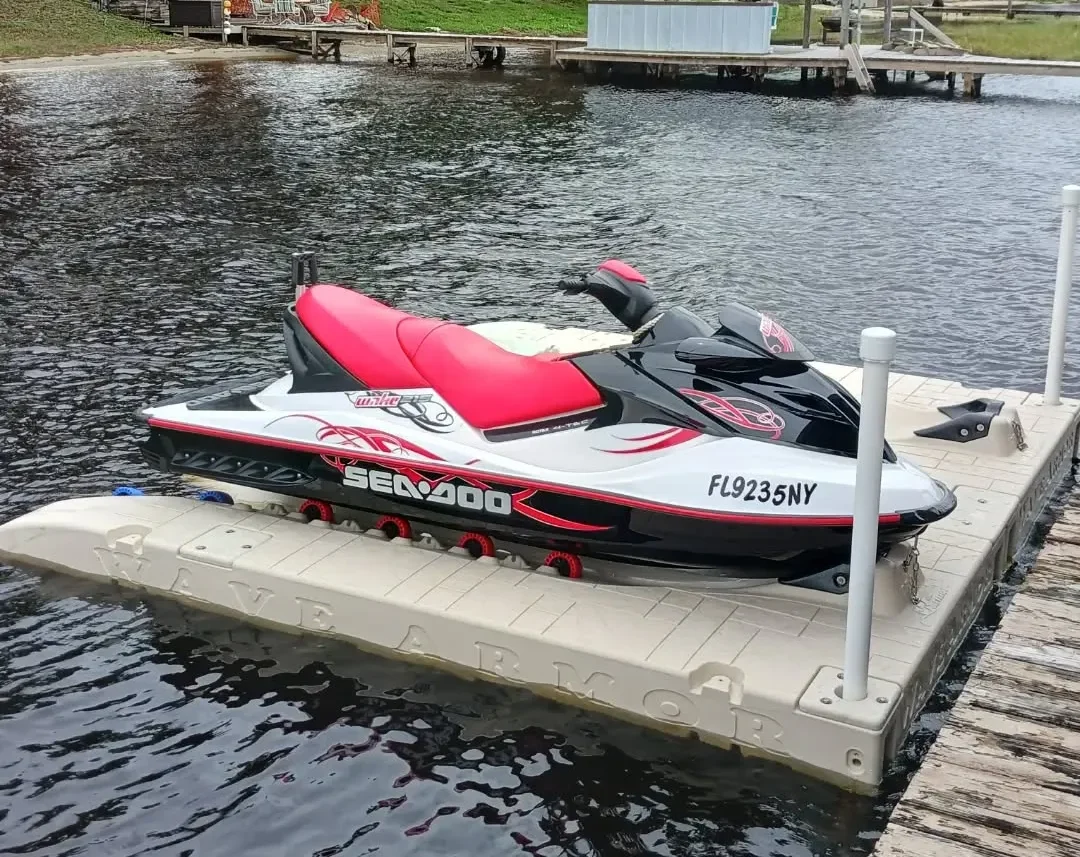
MacDuff Marine, located in Cape Coral, FL, focuses on docks and marine systems. We’re an authorized Wave Armor dealer and the exclusive QABL boat lift distributor in Florida. That local experience helps us match premium products to your site and optimize lifecycle cost through correct installation and warranty coverage.
Typical Permit Requirements and Fees for Dock Construction in Florida
Permit work in Florida usually requires state, federal and local approvals and affects both schedule and budget for coastal construction. Permits cover environmental impacts, navigable waters and local shoreline rules, with fees that vary by jurisdiction and project scope. Turning in complete packages — site plans, engineering and environmental info — shortens review time and reduces redesign risk. Experienced local contractors streamline submissions and advise on conditions like mitigation, piling limits or seagrass protections that affect cost and timing.
Below is a concise table of common permit categories with typical fee ranges and timelines to help you plan.
| Permit Type | Issuing Agency | Typical Fee Range | Typical Timeline (weeks) |
|---|---|---|---|
| State coastal permit | Florida Department of Environmental Protection (FDEP) | Moderate (varies) | 4–12 weeks |
| Federal waters/impact | U.S. Army Corps of Engineers | Low–High (project-dependent) | 6–24 weeks |
| Local county/city dock permit | Lee County / city jurisdictions | Low–Moderate | 2–8 weeks |
Permit fees and timelines depend on complexity and site conditions; use these ranges for planning rather than exact quotes. FDEP reviews state-level impacts and the U.S. Army Corps of Engineers covers navigable waters — both important for coastal construction. Local counties and cities enforce setbacks and building codes that vary across areas like Lee, Charlotte and Sarasota counties. Identifying the right agencies early prevents surprises.
Navigating Permitting: Timelines and Budgets
Permitting shapes schedule and cost through review times, required design changes and conditional approvals for dock construction. Common causes of delay are incomplete applications, required environmental mitigation (for example, seagrass protection) and agency backlogs. Delays increase mobilization costs and can push work into busier seasons. Reduce risk by submitting thorough initial packages, working with local contractors and budgeting a 10–15% permitting contingency. Contractors who handle permitting directly can lower administrative burden and limit budget surprises from delays.
How Labor and Installation Factors Influence Dock Construction Costs
Labor and installation make up a large share of dock construction costs. Marine work needs specialized crews, equipment and safety measures. Skilled marine contractors bring pile-driving teams, barges, cranes and personnel trained for tidal operations — all of which affect mobilization and hourly rates. Site constraints such as limited shore access, environmental protections and variable water depth add complexity and labor time. Knowing crew makeup and how conditions affect productivity helps set realistic budgets and timelines.
Labor Rates and Site Conditions
Labor rates for marine contractors reflect specialized training, safety compliance and heavy equipment operation. Beyond base wages, expect premium rates for pile drivers, crane operators and licensed engineers. Labor often represents 25–40% of total project cost; pile driving, precise over-water framing and lift installation are usually the most labor-intensive phases. Local, experienced contractors can optimize crew size and scheduling to reduce overall hours.
Site conditions — especially water depth, seabed type and access — strongly influence installation complexity for coastal construction. Deep water requires longer piles and larger gear, driving up material and mobilization costs. Limited shore access may force boat mobilization for crews, adding time and expense. Hard seabeds (rock or dense marl) often need pre-drilling or special pile systems. An early site assessment is essential to avoid surprises.
Additional Features and Accessories Impacting Total Dock Construction Price
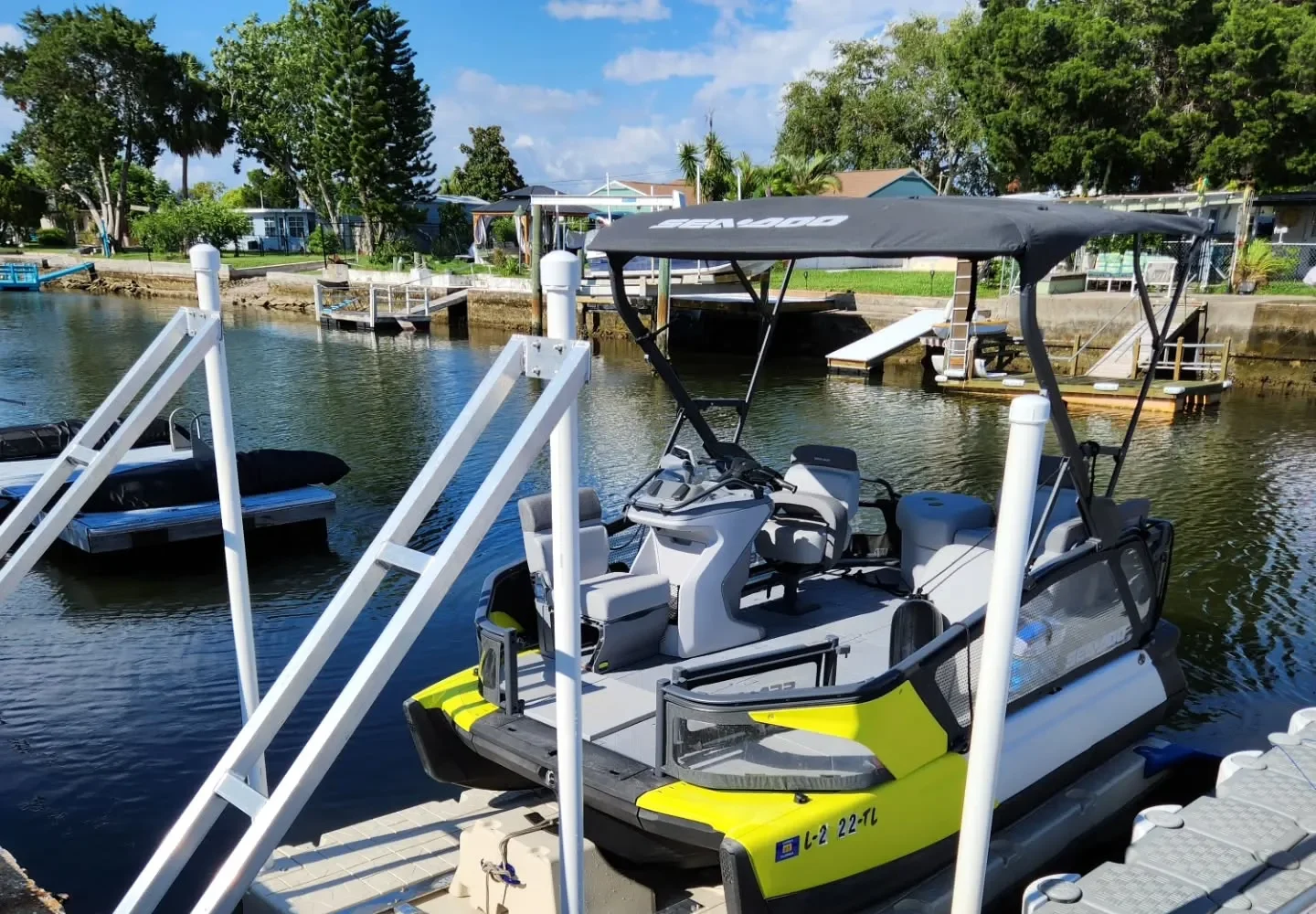
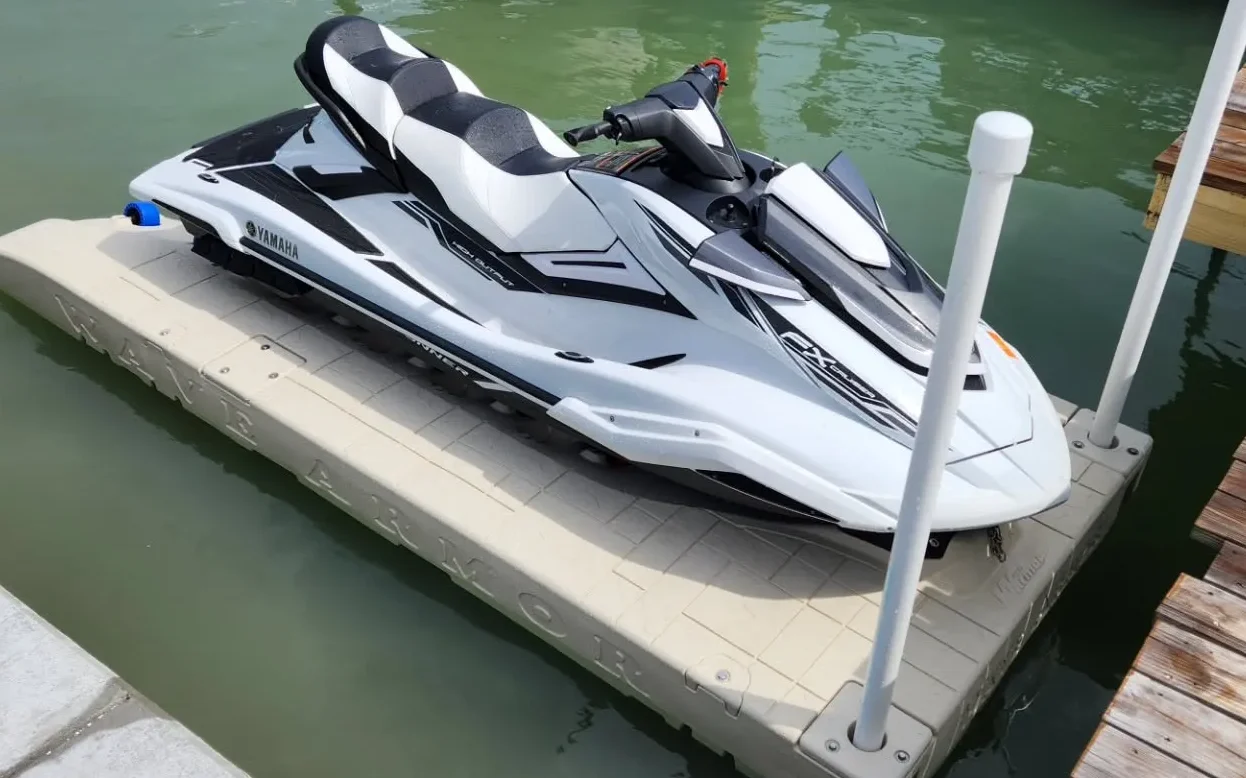
Add-ons like boat lifts, personal watercraft (PWC) ports, lighting and utilities raise costs because they add materials, electrical work and specialist installation. Lifts and PWC ports frequently need reinforced foundations and precise mounting. Lighting and electrical require licensed electricians and can trigger extra permitting. Choosing marine-rated hardware and planning utilities up front reduces costly retrofits and extra mobilizations.
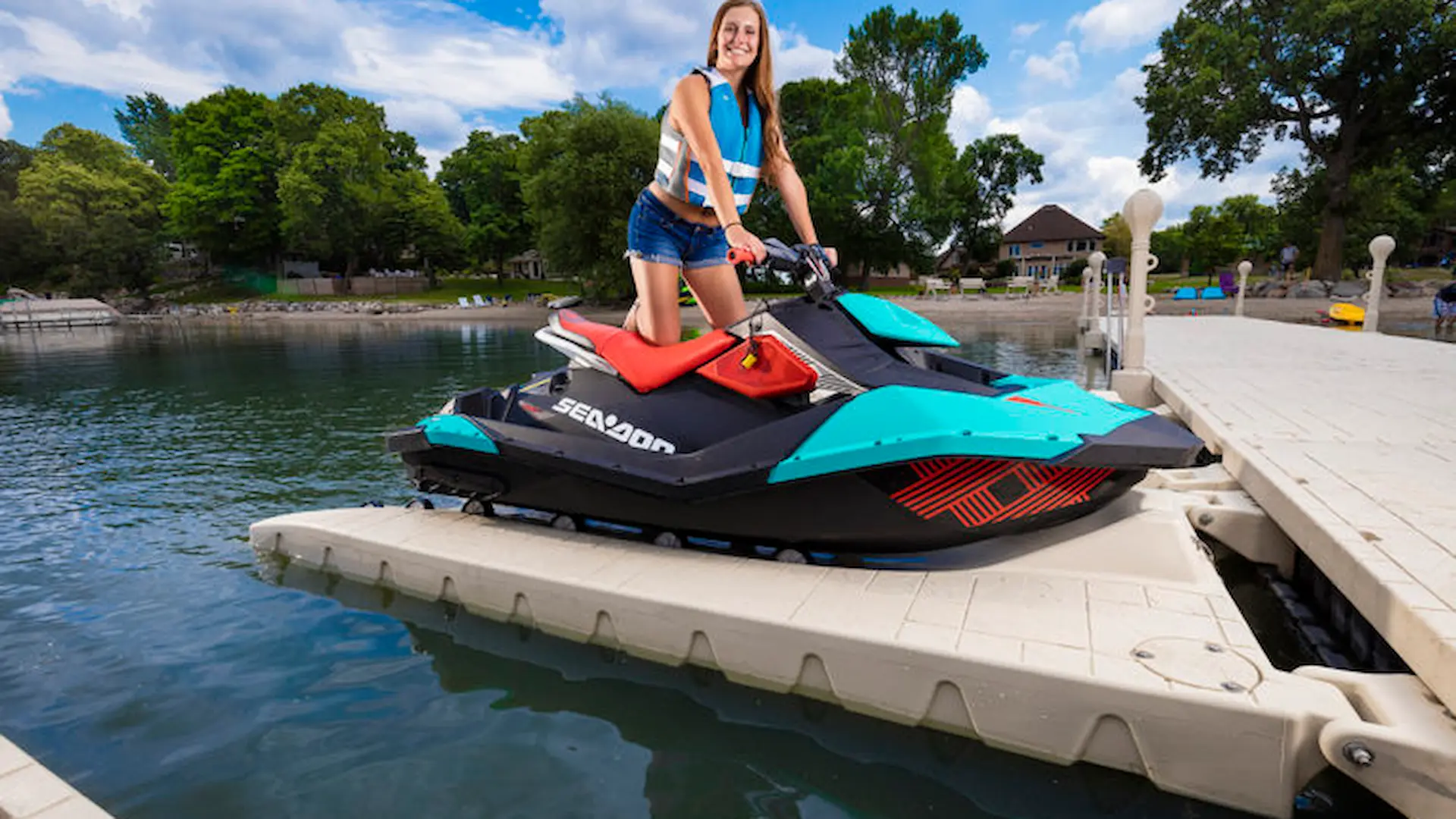
High-impact add-ons and their budget effects:
- Boat lifts and foundations: significant structural expense, often needing reinforced piles and electrical service.
- PWC ports: moderate cost and a practical way to add utility for smaller craft.
- Lighting and electrical packages: require trenching, conduit and licensed electrical work — options range from simple step lights to full integrated LED systems.
Including accessories in the initial build usually saves on labor and mobilization — retrofits almost always cost more. MacDuff Marine stocks QABL boat lifts and several PWC port setups, and we provide bundled, no-obligation estimates that simplify product integration and local service.
Cost Considerations for Utilities and Marine Accessories
Utilities and small accessories add discrete line items. Electrical runs involve trenching, conduit, breaker panels and GFCI circuits installed by licensed electricians. Water hookups, fuel lines, cleats, bumpers, ladders and hardware are smaller individually but add up collectively. Planning these items up front and asking for bundled pricing saves by optimizing mobilization and crew time.
Average Dock Construction Costs in Cape Coral and Southwest Florida (2024–2025)
Local cost ranges in Cape Coral and Southwest Florida reflect regional labor markets, material availability and permitting complexity for dock construction. Typical price bands set realistic expectations: basic builds provide functional access; average builds use more durable materials and common features; luxury projects include premium systems, expanded decking and custom details. Knowing these bands helps homeowners match scope to budget.
| Project Type | Typical Size / Inclusions | Typical Price Range (2024–2025) |
|---|---|---|
| Basic dock | Simple floating platform, basic decking, minimal hardware | Moderate range ($25–$50 per sq ft) |
| Average dock | Composite or treated decking, piling or upgraded flotation, basic accessories (lighting, cleats) | Mid range ($50–$100 per sq ft) |
| Luxury dock | Premium decking/framing, branded systems (lift, Wave Armor modules), extensive accessories | Higher range ($100+ per sq ft) |
These bands are planning categories, not final quotes — actual costs depend on site specifics, permits and accessory choices. Basic projects focus on function with economical materials; average projects include longer-lasting materials and common extras; luxury projects feature premium brands and extensive customization. Always include permitting and contingency buffers in your budget.
Local Factors Influencing Cost Variations
Local market conditions — seasonal labor demand, county-specific permitting rules, supplier availability and environmental restrictions — shape cost differences across Southwest Florida for coastal construction. Permit fees, mitigation requirements and peak-season demand can push prices and lead times up. Supply-chain issues for specialty systems also affect availability and cost. Early planning and using local contractors reduces schedule-driven price increases.
MacDuff Marine offers free, no-obligation estimates for Cape Coral and Southwest Florida, backed by local knowledge, product partnerships and field experience. We provide same-day local service where feasible and will beat any comparable written estimate by $150. Our warranty-backed installations help minimize lifecycle risk and unexpected maintenance.
Why Choose MacDuff Marine for Your Dock Project:
- Authorized dealer and installer relationships with premium systems that protect warranty coverage.
- Free, no-obligation estimates grounded in local permitting and site realities.
- Same-day local service when possible to limit downtime and urgency.
- Price-beat promise on comparable written estimates.
- Warranty-backed products and installations that reduce lifecycle uncertainty.
When comparing quotes, prioritize contractors who combine permitting expertise, product support and reliable service — those factors materially affect total cost and long-term satisfaction.
Frequently Asked Questions
What factors should I consider when choosing a dock type for my property?
Think about water depth, tidal range, seabed composition and how you’ll use the dock (recreation, heavy equipment, etc.). Check local rules and environmental conditions before you decide.
How can I estimate the total cost of my dock construction project?
Start with dock size and type, then add material, labor and accessory costs (lifts, lighting). Factor in permitting fees and a contingency. Always consult local contractors for a site-specific estimate.
What are the common challenges during dock construction in Florida?
Common challenges include complex permitting, environmental compliance, site-specific constraints (depth, seabed) and weather interruptions — typical in coastal construction. Experienced local contractors help you navigate these issues.
How do seasonal changes affect dock construction costs and timelines?
Seasonal demand can raise labor and material costs during peak months and cause delays. Off-peak seasons often provide better availability and rates. Plan accordingly to reduce risk.
What maintenance should I expect for different dock materials?
Pressure-treated wood needs regular sealing and typically lasts 5–15 years. Composite decking needs less upkeep and can last 15–25 years. Aluminum and marine-grade steel are low-maintenance and corrosion-resistant (25+ years). Marine-grade concrete is very durable (30+ years) but still requires periodic inspection.
Are there financing options available for dock construction projects?
Yes. Options include personal loans, home equity lines of credit and contractor financing. Compare terms and consult a financial advisor to choose what fits your situation.
What should I look for in a contractor for my dock project?
Look for local experience, proper licensing and insurance, and solid references. Make sure they understand permitting, offer transparent pricing and provide warranty-backed work with clear communication.